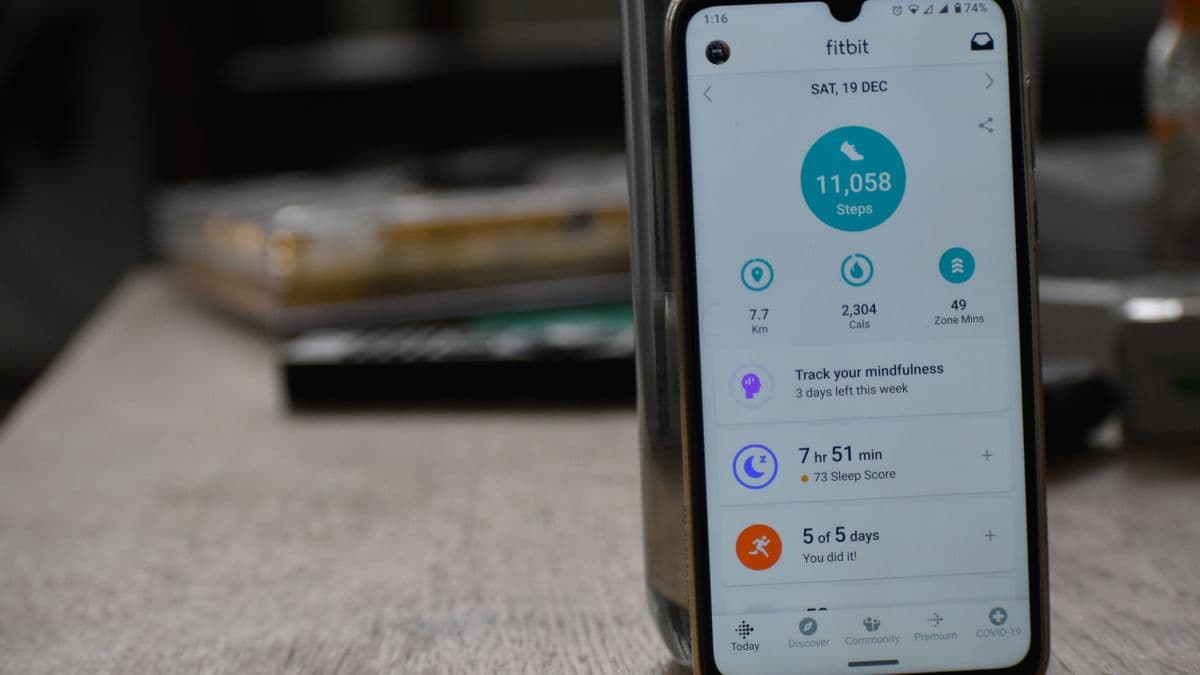
The HPB National Steps Challenge is one of Singapore's most interesting public-health experiments because it did something rare: it got normal people to care about movement data before wearables became fashionable.
It also created the predictable side effects of any rewards system. Some people moved more. Some people opened the app only for vouchers. Some people tried to game the system. HPB then had to monitor abuse, tighten processes, manage tracker stock, and keep the programme from becoming a points farm with a health logo.
This is the honest read: the Step Challenge worked, but not in the magical way people sometimes imagine.
| Question | Short answer | Why it matters |
|---|---|---|
| Did it increase steps? | Yes, published studies found meaningful average increases | The programme moved behaviour at population scale |
| Did everyone stay active? | No, engagement and maintenance are harder | Rewards can start habits without permanently locking them in |
| Was it cheap to run? | Not always | Tracker procurement and reward controls matter |
| Did people game it? | Yes, abuse has been publicly reported | Gamified health needs fraud controls |
| Is it still worth joining? | Yes, if you treat it as a nudge | The real prize is movement, not the voucher |
- Short answer
- Yes, published studies found meaningful average increases
- Why it matters
- The programme moved behaviour at population scale
- Short answer
- No, engagement and maintenance are harder
- Why it matters
- Rewards can start habits without permanently locking them in
- Short answer
- Not always
- Why it matters
- Tracker procurement and reward controls matter
- Short answer
- Yes, abuse has been publicly reported
- Why it matters
- Gamified health needs fraud controls
- Short answer
- Yes, if you treat it as a nudge
- Why it matters
- The real prize is movement, not the voucher
The success case is real
The National Steps Challenge did not stay small. HPB said Season One reached 156,000 participants, Season Two attracted more than 350,000 adult Singaporeans, and the refreshed year-round version had close to 700,000 sign-ups as of January 2023.
Academic evaluations also found real movement changes. One population-wide evaluation of Season Three reported 696,907 registrations and found that mean daily step count increased by 1,579 steps during the main challenge phase and 934 steps during the maintenance phase among the analysed cohort.
Another study of 411,528 adults found the programme was associated with an overall mean increase of 1,437 steps per day, with larger increases among older adults. That is not trivial at population scale. If you can move hundreds of thousands of people from “not much” to “a bit more,” the public-health effect can be meaningful.
The best version was never about 10,000 steps
The early marketing around step challenges made 10,000 steps feel like the heroic target. The current programme is more sensible. HPB shifted the challenge toward 5,000 daily steps plus moderate-to-vigorous physical activity, or MVPA, in line with Singapore Physical Activity Guidelines.
That is a better design because it recognises two truths. First, sedentary people need a realistic entry point. Second, fitness is not only total steps. Intensity matters.
For the current reward mechanics, read our National Steps Challenge 2026 guide. For tracker setup, see our HPB fitness tracker guide.
The failure case is also real
A step challenge can get people moving, but it cannot guarantee lasting behaviour change. The studies show improvements during the challenge, but maintenance is weaker than the main challenge phase. That is the normal problem with incentives: they can start behaviour, but the habit has to survive after the novelty and reward fade.
The other issue is what the reward trains people to value. If the user cares only about Healthpoints, they will do the minimum that earns points. That is not irrational. It is exactly how incentives work.
This is why HPB's move toward MVPA matters. A flat reward at 5,000 steps reduces the old obsession with racking up more and more low-intensity steps for marginal rewards. It pushes the app closer to the actual health target: enough weekly activity to improve risk, fitness and function.
The cheating problem is built into the format
Any rewards programme creates gaming behaviour. The point is not that Singaporeans are uniquely sneaky. The point is that if you attach vouchers to measurable actions, some people will look for shortcuts.
This article will not explain how to cheat a health app. That would be dumb and irresponsible. But the broad categories are obvious enough: fake attendance, account misuse, suspicious reward transactions, unauthorised QR-code sharing, and attempts to manipulate activity mechanics rather than actually moving.
HPB's own terms are explicit. It can suspend, terminate, disqualify, claw back rewards, and refer suspected fraud or manipulation to law enforcement. The terms also cover unauthorised profiles, dishonest means, exploiting glitches, and manipulating programme mechanics.
The QR-code abuse case shows the scale
The clearest public example was not even step shaking. It was QR-code abuse. In 2024, more than 60,000 Healthy 365 accounts had rewards and redemption services suspended after HPB detected anomalies in programme registration QR-code scanning.
HPB said most affected accounts had scanned QR codes without attending the programme the code was assigned to. Some users who attended had shared the code with non-attendees. HPB said it monitors Healthpoint transactions and QR-code scans individually, clawed back improperly obtained rewards, and tightened processes such as QR-code validity and attendance checks.
That case matters because it shows the system is not just a cute points app. Once Healthpoints have cash-like redemption value, abuse becomes an operational and financial-control issue.
Tracker waste was another lesson
The National Steps Challenge also had a procurement problem. The Business Times reported that the Auditor-General flagged excess HPB fitness trackers worth S$5.39 million, with HPB saying the excess came from overestimating demand. HPB said it would be more conservative in future projections, account for stocks daily, and conduct more frequent audits and physical stock checks.
That does not mean the programme failed. It means scaling a wearable-based national intervention is messy. You need enough devices for access, but not so many that public money sits in boxes.
It is the boring back office that decides whether a good public-health idea is sustainable.
The account-control problem
The same reporting noted HPB had also cleaned up loyalty-programme accounts to block unauthorised accounts, including accounts registered using NRICs of deceased persons, and was determining overpayments for improper redemptions.
That is the uncomfortable part of making a health app a rewards wallet. Identity, eligibility, device data, QR scans, vouchers and account security all become part of the health-promotion system.
Gamification sounds light. Fraud control is not.
So, did it work?
Yes, if the question is whether the programme reached people and increased movement. The published evidence says it did.
No, if the question is whether it permanently fixed Singapore's inactivity problem. No app does that. Rewards can nudge. They cannot replace built environments, time, work culture, social support, exercise literacy and personal health constraints.
The best evaluation is in the middle: the National Steps Challenge is a successful public-health nudge with known weaknesses. It moved a large population. It made activity visible. It also attracted gaming, admin cost, procurement issues and the natural decay of incentive-driven motivation.
What HPB seems to have learned
The programme has already changed. It moved from seasonal challenge to year-round participation. It shifted from higher step tiers toward MVPA. Healthy 365 now connects to a wider ecosystem: Healthier SG, hiSG, sleep, food choices, Healthpoints, and MediShield Life premium discounts for eligible users.
That suggests HPB understands the old version was too step-obsessed. The future is likely less “walk more for vouchers” and more “use the app as a behaviour platform.”
For the broader picture, read our Healthy 365 2026 and 2027 watchlist. For the mechanics behind the numbers this piece is judging, see our National Steps Challenge 2026 guide.
What users should take from this
Join the challenge if it helps you move. Use the free tracker if you are eligible. Sync honestly. Redeem your points before they expire. Do not overthink the vouchers.
And do not cheat. The reward is too small, the monitoring is real, and the point of the programme is to make your body less sedentary, not to optimise a tiny voucher balance through nonsense.
The win is not beating the app. The win is needing the app less.
FAQ
Did the HPB National Steps Challenge actually increase activity? Published evaluations found meaningful average step increases during challenge periods, including around 1,437 to 1,579 extra daily steps depending on the study and phase.
Did people cheat the Healthy 365 rewards system? Public reporting shows abuse did happen, including a QR-code scanning case involving about 62,000 accounts. HPB also has terms against fraud, deception and manipulation.
Will this article explain how people cheat? No. It explains the risk categories and consequences, not instructions.
What happens if HPB suspects abuse? HPB terms allow suspension, termination, disqualification, clawback of rewards, and referral to law enforcement where appropriate.
Is the Step Challenge still worth joining? Yes, if you treat it as a movement nudge. It is not worth joining only for the money.
Sources
- Physical activity trends among adults in a national mHealth program: 411,528 adults
- Evaluation of a population-wide mobile health physical activity program in 696,907 adults in Singapore
- British Journal of Sports Medicine: National Steps Challenge Singapore
- HPB: National Steps Challenge refined around physical activity recommendations
- HPB: Season Two results and Season Three launch
- HPB: Season Two expansion announcement
- Healthy 365 terms of use
- National Steps Challenge terms and conditions
- The Straits Times: 62,000 Healthy 365 accounts suspended over QR-code abuse
- The Business Times: Auditor-General flags tracker stock and account-control lapses
Spot an error or have a product we should test? We read every note.
Get in touch