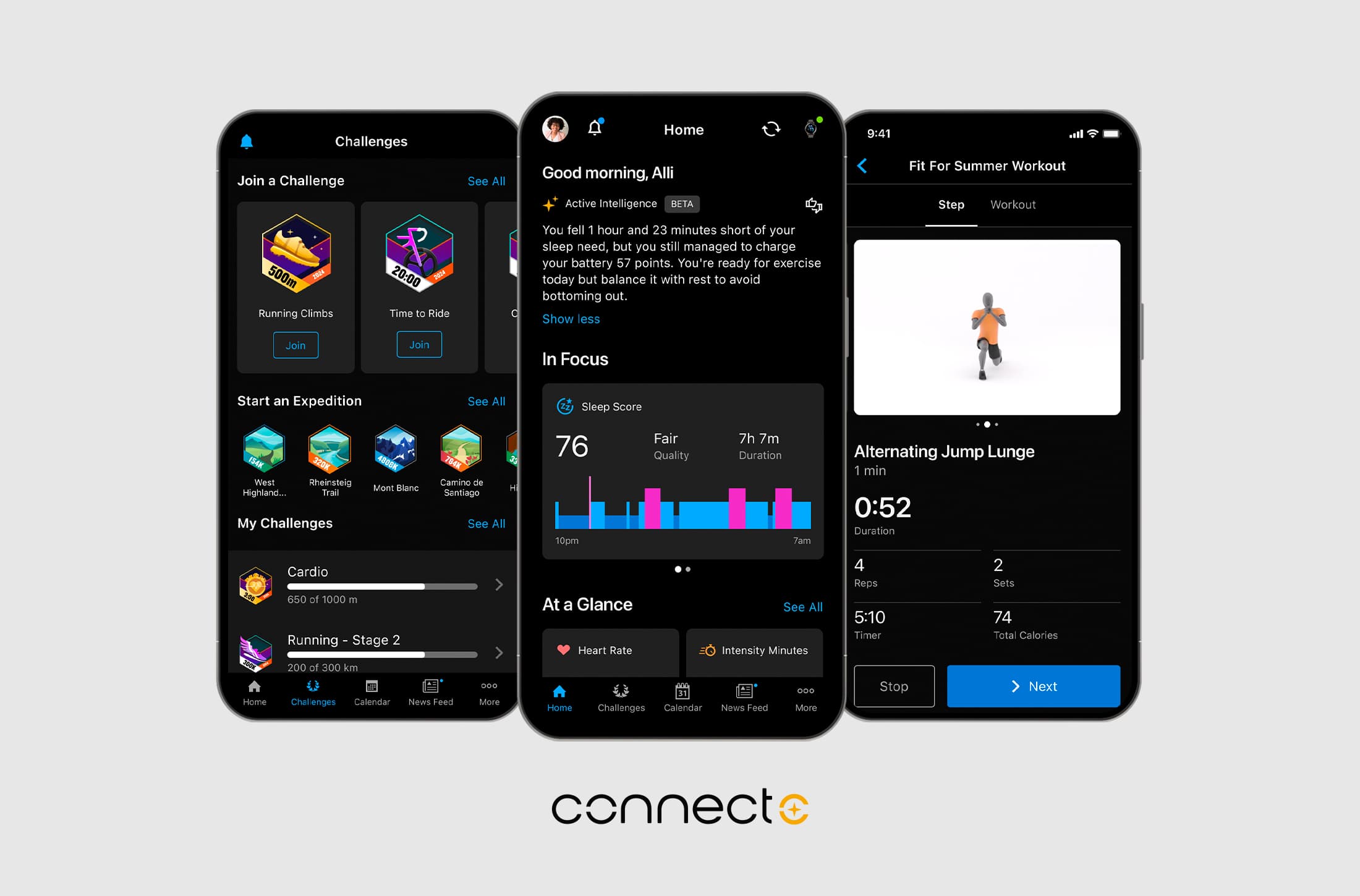
HealthTrack SG is more interesting than a normal wearable promotion because it connects three things that usually live apart: tracker data, clinical records and doctor-guided lifestyle plans. That is the direction consumer health tech is moving, even if the pilot itself has closed public registration.
The promise is better context. The risk is that people mistake more data for better care. The programme is worth watching because it shows what happens when wearables stop being gadgets and start becoming part of preventive healthcare.
What HealthTrack SG is
HPB describes HealthTrack SG as a holistic health programme that combines wearable technology, clinical records and self-reported lifestyle data to support people managing or reducing the risk of chronic conditions. Fullerton Health describes it as a year-long pilot run with HPB, Google and ConnectedLife, complementing clinical care for hypertension, diabetes and hyperlipidaemia.
Public registration closed on 31 March 2026, so this is not a “sign up now” piece. It is a “watch where the system is going” piece.
Why it matters
Most wearable data is trapped in consumer apps. Your watch knows your sleep, steps and heart rate, but your doctor usually sees a rushed summary, if anything. HealthTrack SG is an attempt to close that gap by pulling lifestyle data into a care loop.
That is useful because chronic disease is not managed only inside a clinic. Blood pressure, glucose, movement, sleep and diet happen in the boring middle of the day, where people actually live.
What makes it different from Healthy 365
Healthy 365 rewards movement and participation, and we cover exactly how its steps and rewards work in a separate guide. HealthTrack SG is more clinical. It combines clinical information with lifestyle data from wearable fitness trackers into the HealthTrack SG app, and Fullerton Health says doctors can provide personalised wellness plans.
The distinction matters. Rewards can push behaviour. Clinical integration can shape decisions. Mixing those two worlds requires more care, more privacy scrutiny and more honest communication about what wearable data means.
The wearable compatibility clue
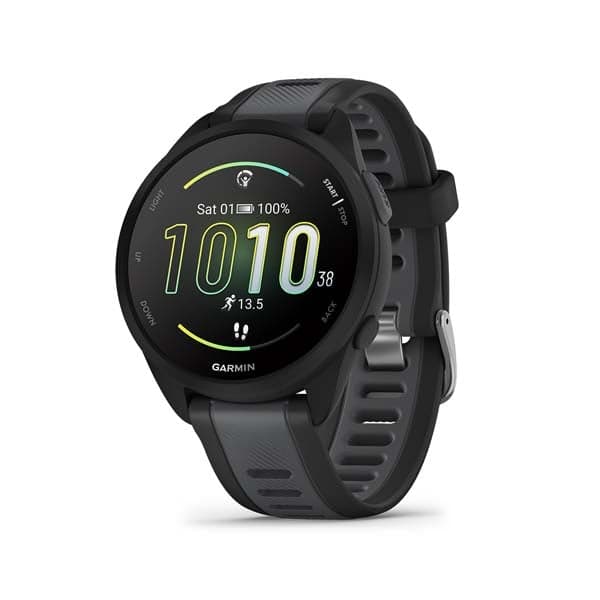
HPB says eligible participants need a compatible Fitbit, Apple, Samsung, Garmin or Google Pixel wearable. That is important because the future is not one watch brand owning the whole health stack. It is more likely to be a messy ecosystem where platforms, clinics and public-health programmes need to ingest data from multiple devices.
That is good for consumers if it reduces lock-in. It is bad if every app becomes another semi-compatible dashboard with different definitions of the same metric.
What could go wrong
The obvious risk is overconfidence. A wearable can nudge movement, show sleep trends and record heart rate. It cannot replace a proper diagnosis or explain every lab result. Bad data, missing context and irregular wear time can all distort the picture.
The other risk is privacy fatigue. People may consent to data sharing because the programme sounds beneficial, without understanding what is shared, who sees it and how long it is stored. Health data deserves slower consent than a shopping newsletter.
What this means for normal readers
If you already use a tracker, the lesson is to treat it as a behaviour record, not a medical oracle, and it helps to know which tracker numbers are actually reliable before you read too much into them. If a clinician can use your data to spot patterns and tailor advice, great. If an app simply tells you to “optimise wellness” with more charts, ask what action actually changes. If you're still choosing a device, our guide to the fitness trackers worth buying in Singapore covers the options by price.
The best future version of wearable health is not more graphs. It is better feedback at the moment you can still do something useful.
Bottom line
HealthTrack SG is a preview of the next wearable era: less gadget, more care loop. That is promising, but only if the system stays honest about evidence, privacy and what consumer sensors can really prove.
A watch can help the doctor see more of your week. It should not become the doctor.
FAQ
What is HealthTrack SG?
An HPB pilot combining wearable data, clinical records and lifestyle information to support people managing or reducing risk of chronic conditions like hypertension, diabetes and hyperlipidaemia.
Can I still sign up for HealthTrack SG?
Public registration closed on 31 March 2026. The programme is worth watching as a signal of where Singapore health tech is heading, not as a current sign-up path.
How is it different from Healthy 365?
Healthy 365 rewards movement. HealthTrack SG is more clinical, pulling lifestyle data into care plans that doctors can use. Rewards push behaviour; clinical integration shapes decisions.
Which wearables work with HealthTrack SG?
HPB listed compatible Fitbit, Apple, Samsung, Garmin and Google Pixel wearables. The future is likely multi-brand, not one watch owning the stack.
Should I treat my tracker as a medical device?
No. Use it as a behaviour record that may inform clinician advice, not as a diagnosis. This is informational, not medical advice.
Sources
- HPB HealthTrack SG
- Fullerton Health: HealthTrack SG
- Fullerton Health collaboration announcement
- MOH Healthier SG
- Healthy 365 and hiSG fitness tracker rewards
- Which fitness tracker numbers are real?
Spot an error or have a product we should test? We read every note.
Get in touch