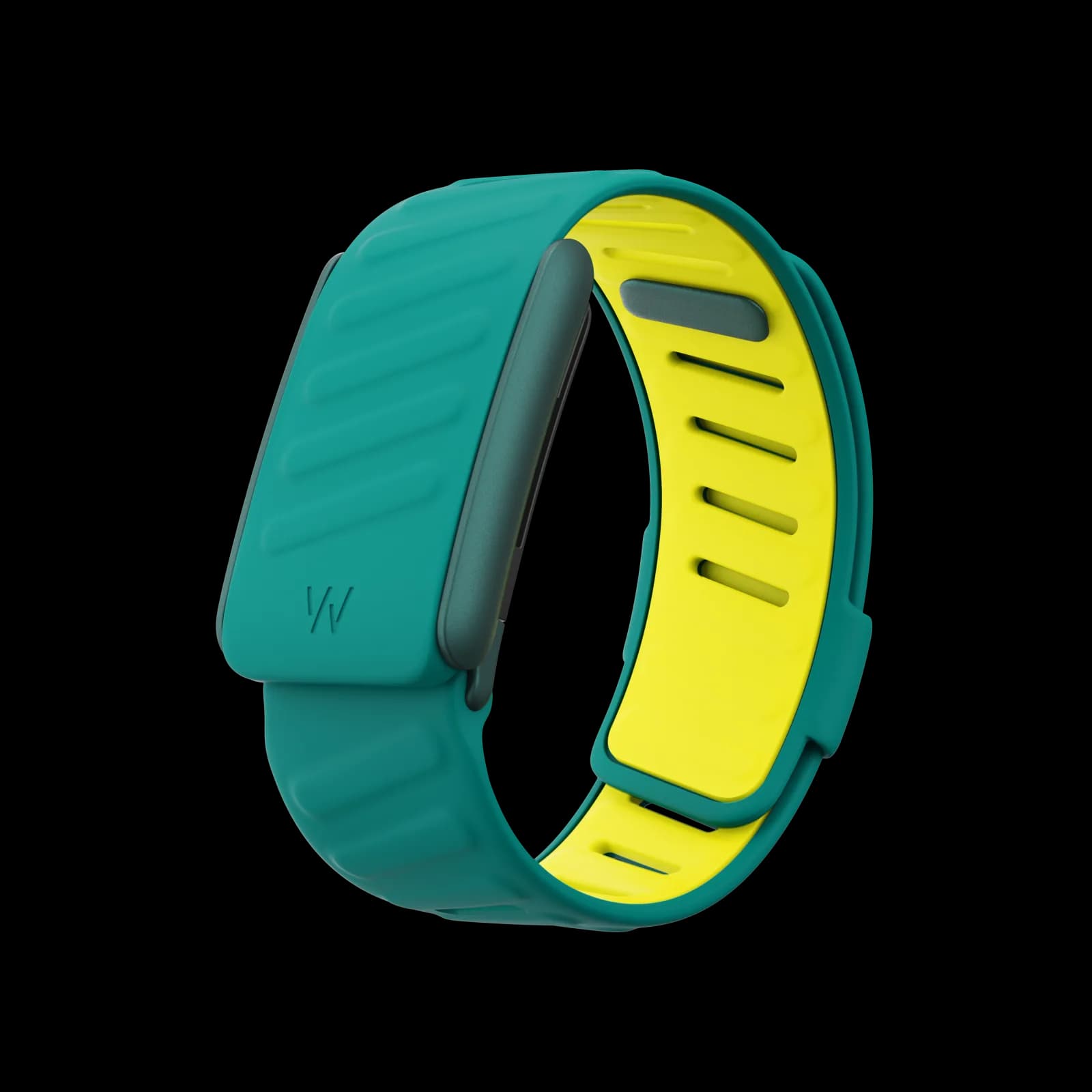
WHOOP is worth it for a narrow group: people who will actually change their training based on a recovery and strain score, and who keep paying the annual fee for years. For everyone else, it is the wrong purchase, and the reason is structural. WHOOP is not a tracker you buy. It is a subscription you rent, and the band turns into a fancy bracelet the day you stop paying. If you mostly want sleep stats or a step count, a one-time-buy Apple Watch, Garmin or Oura beats it on three-year cost without contest.
That is the verdict. The rest of this is the working, plus the Singapore-specific catches that make WHOOP more annoying to buy here than anywhere else.
For pillar scores and testing notes, see our WHOOP 5.0 review.
| WHOOP | Apple Watch | Garmin | |
|---|---|---|---|
| Who buys | Recovery obsessives who act on daily scores | iPhone users wanting one daily device | Runners and multi-sport athletes |
| Subscription | Required annual membership | None for core features | None for core features |
| Best for | Strain, sleep and recovery coaching loop | Notifications, health screening and ecosystem | GPS, battery and deep training analytics |
- WHOOP
- Recovery obsessives who act on daily scores
- Apple Watch
- iPhone users wanting one daily device
- Garmin
- Runners and multi-sport athletes
- WHOOP
- Required annual membership
- Apple Watch
- None for core features
- Garmin
- None for core features
- WHOOP
- Strain, sleep and recovery coaching loop
- Apple Watch
- Notifications, health screening and ecosystem
- Garmin
- GPS, battery and deep training analytics
The framing everyone gets wrong
The marketing wants you to compare WHOOP's hardware to a Garmin or an Apple Watch. That is the wrong comparison. WHOOP gives the sensor away and charges for the membership. The published tiers run annually: a base plan, a mid plan, and a medical-grade plan, with the device and charger bundled into whichever you pick (WHOOP membership). Stop the membership and the app access goes with it. The hardware does not become "yours" in the way a watch does.
So the real question is not "is the band good". It is "will I pay this every year for the next three to five years, and will it earn that". On a three-year horizon a one-time wearable purchase is usually cheaper in total than three years of any subscription. We have laid out that subscription-versus-ownership maths in full in our piece on the hidden cost of health-tracker subscriptions, so we will not re-argue it here. The short version: rent only what keeps earning its rent.
Myth: WHOOP's scores are scientifically proven
This is the one to bust. WHOOP is genuinely good at the boring physiological stuff. A 2024 systematic review pulling together the available validation studies found acceptable agreement between WHOOP and ECG for heart rate, and acceptable accuracy for two-stage sleep (asleep versus awake) (Accuracy, Utility and Applicability of the WHOOP Wearable Monitoring Device, medRxiv 2024). That is a real strength. Wrist and forearm optical sensors are not always trustworthy, and WHOOP's heart-rate tracking holds up better than most.
The same review is far more cautious about the headline products: four-stage sleep (the light/deep/REM breakdown) and heart-rate variability are less reliable, and the proprietary Recovery and Strain scores have limited independent validation. Those scores are a black box. WHOOP blends raw signals into a single number with an algorithm nobody outside the company can inspect, and the public evidence that the composite score predicts anything useful is thin. We have written separately about which fitness-tracker numbers are real and which are guesses, and recovery scores sit firmly in the "treat as a rough signal, not gospel" column.
This is general information, not medical advice. See a clinician before making decisions based on any wearable's heart, sleep or recovery readings, especially the medical-grade ECG features.
When WHOOP actually earns its fee
Here is the honest case for it. The thing a subscription tracker is genuinely good at is the daily feedback loop. The best evidence we have on wearables and behaviour is a 2022 umbrella review in The Lancet Digital Health covering 39 systematic reviews and roughly 164,000 people. It found activity trackers increased daily steps by around 1,800 and walking by about 40 minutes a day, and that those effects were broadly sustained over time (Ferguson et al., The Lancet Digital Health, 2022). The mechanism is not the sensor. It is that a number in front of your face every morning nudges what you do.
WHOOP leans hard into exactly that loop. If a low recovery score genuinely makes you back off a hard session, or a high strain reading makes you sleep earlier, then it is changing your behaviour, and that is where it is worth the money. If you glance at the score, shrug, and train the way you were going to anyway, you are paying an annual fee for a wristband that confirms your existing habits. Same point applies to most of the recovery industry, which we have picked apart in do recovery tools actually work: the tool is only as good as the behaviour change it triggers.
There is also a real risk worth naming. A black-box recovery score can make you anxious or talk you out of training you are perfectly fit to do. If a number is making you more neurotic rather than more consistent, that is a cost, not a feature.
The Singapore buying friction
This is where Singapore buyers get a worse deal than the rest of the world, and it is specific.
WHOOP has historically not offered direct local shipping to Singapore, which spawned a reseller market. Local resellers and classified listings have been marking devices and memberships up noticeably, with one freight forwarder citing markups of around US$85 and more on local channels (comGateway, 2026). So before WHOOP has tracked a single heartbeat, you may already be paying a premium just to get one into the country.
Then there is GST. As of 2026, Singapore's 9% GST applies to imported goods including low-value items, so an imported membership-plus-device order gets taxed on the way in. None of this is a dealbreaker on its own. It just means the all-in Singapore cost is higher than the advertised overseas sticker, and you should price the membership, the import, and the GST as one number before deciding, not the membership alone.
If you do want WHOOP here, buy the membership as directly as you can rather than through a marked-up middleman, and budget for the import tax. Check current prices and current shipping availability at the point of purchase, because both have moved around.
What to buy instead, for most people
For most Singapore buyers, the answer is a one-time-buy wearable.
If you want sleep tracking and resting metrics without a subscription, a smart ring or a mainstream smartwatch does the job and you own it outright. Our roundups of the best fitness wearables for 2026 and the wider field of fitness trackers worth knowing in 2026 walk through the one-time-buy options that win on three-year cost for casual use. A Garmin or an Apple Watch gives you heart rate, sleep and workout tracking with no annual fee. Oura charges a small membership but the ring itself is yours.
WHOOP makes sense only if you specifically want the coaching layer, you will act on it, and you are comfortable renting it indefinitely. That is a real person. It is just not most people.
FAQ
Is WHOOP worth it in Singapore?
Only if daily recovery coaching will change how you train and you accept years of subscription cost plus local import friction. Most buyers are better served by a one-time-buy watch or ring.
WHOOP or Apple Watch for sleep?
Apple Watch covers sleep without a second device if battery lasts your day. WHOOP optimises overnight wear and recovery coaching but adds subscription cost.
WHOOP or Garmin for runners?
Garmin gives GPS, maps and training load without renting the hardware experience. WHOOP adds recovery narrative, not run tracking.
Why is WHOOP expensive in Singapore?
Reseller markups, shipping and GST can push all-in cost above overseas sticker prices. Budget membership, import and tax as one number.
Can I cancel WHOOP and keep using the band?
No. App access is tied to membership. Treat it as a subscription service, not a purchased gadget.
Sources
- Accuracy, Utility and Applicability of the WHOOP Wearable Monitoring Device in Health, Wellness and Performance: a systematic review (medRxiv, 2024)
- Ferguson T, et al. Effectiveness of wearable activity trackers to increase physical activity and improve health: a systematic review of systematic reviews and meta-analyses. The Lancet Digital Health, 2022
- WHOOP Membership: compare plans and features (WHOOP)
- Why paying more for a WHOOP 5.0 through local Singapore resellers is a mistake (comGateway, 2026)
Spot an error or have a product we should test? We read every note.
Get in touch