
Ask "what's the best fitness tracker?" in 2026 and the honest answer is a question back: best at what, on which phone, for what money? A wrist watch, a screenless band, a 2 g ring and a no-app step counter are now four genuinely different products solving four different problems. The marketing wants you to believe there's a single winner. There isn't.
This is a research-backed roundup built on manufacturer spec pages and established reviewers, not a hands-on test, and we've flagged where independent reviews diverge from the sales sheet. We've grouped eight notable current trackers by who each one is actually for, and we've been blunt about the cost the spec sheet hides: the monthly and yearly fees. A S$50 band and a ring that needs a paid monthly membership are not the same kind of purchase. This is part of our fitness wearables and trackers hub, and for the same field priced in local dollars, our Singapore fitness trackers buying guide is the fuller, SGD-priced version.
| Pick | Best for | Standout | Cost trap |
|---|---|---|---|
| For serious runners and triathletes | Race training and endurance metrics | Garmin Forerunner 970 with deep training tools | High upfront price |
| For iPhone owners | Apple users who want one wrist device | Apple Watch Series 11 or SE 3 | Daily charging, cellular costs extra |
| For Android owners | Samsung and Android users | Galaxy Watch 8 with Wear OS 6 | Best experience is on Samsung phones |
| For the do-everything band | Beginner everyday tracking | Fitbit Charge 6 with GPS and Google services | Some features need Fitbit Premium |
| For the budget buyer | Cheap tracking without a big watch | Xiaomi Smart Band 10 or Amazfit Bip 6 | Accuracy and polish vary |
| For sleep, recovery and the screen-averse | Recovery tracking without a screen | Oura Ring 5 or Whoop 5.0 | Recurring membership fees |
| For kids | Child movement, calls and location sharing | Fitbit Ace LTE | Ace Pass is required for key features |
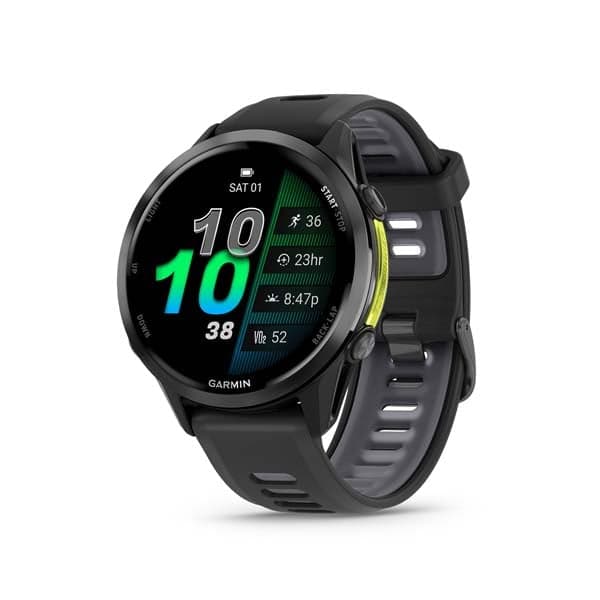
- Best for
- Race training and endurance metrics
- Standout
- Garmin Forerunner 970 with deep training tools
- Cost trap
- High upfront price
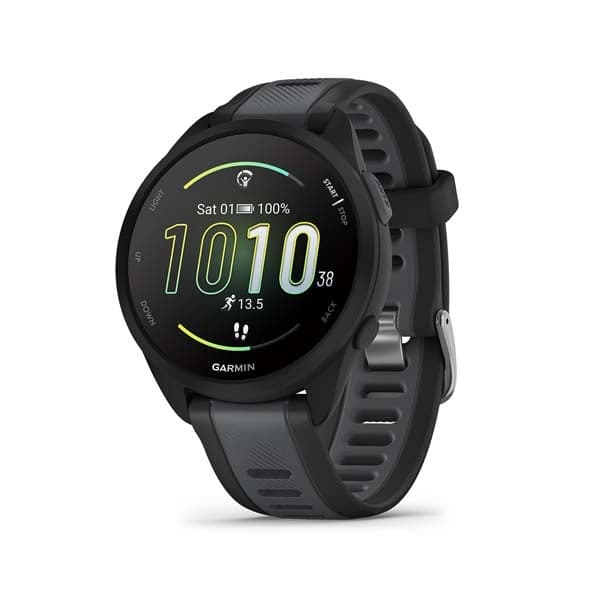
- Best for
- Apple users who want one wrist device
- Standout
- Apple Watch Series 11 or SE 3
- Cost trap
- Daily charging, cellular costs extra
- Best for
- Samsung and Android users
- Standout
- Galaxy Watch 8 with Wear OS 6
- Cost trap
- Best experience is on Samsung phones
- Best for
- Beginner everyday tracking
- Standout
- Fitbit Charge 6 with GPS and Google services
- Cost trap
- Some features need Fitbit Premium
- Best for
- Cheap tracking without a big watch
- Standout
- Xiaomi Smart Band 10 or Amazfit Bip 6
- Cost trap
- Accuracy and polish vary
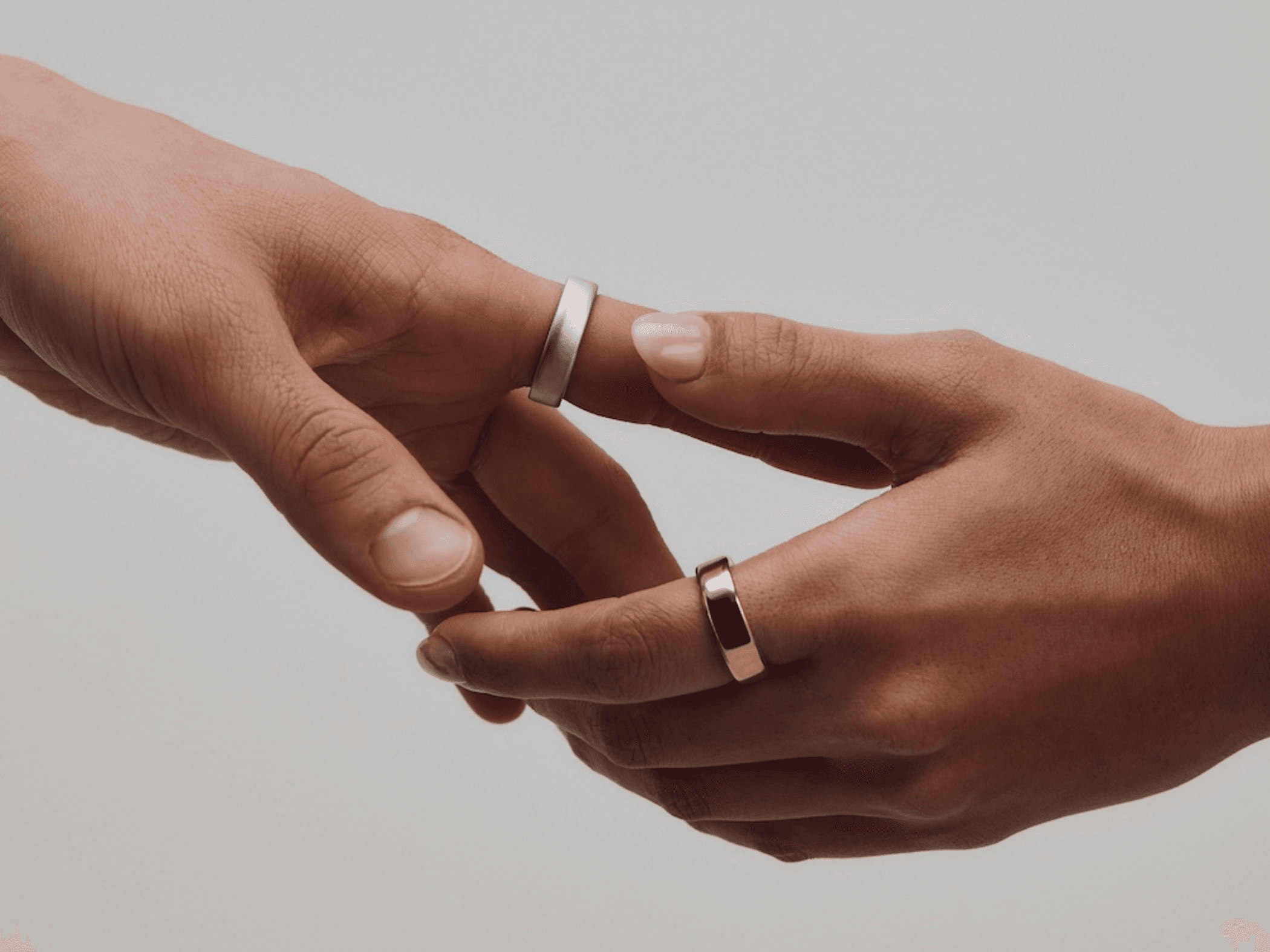
- Best for
- Recovery tracking without a screen
- Standout
- Oura Ring 5 or Whoop 5.0
- Cost trap
- Recurring membership fees
- Best for
- Child movement, calls and location sharing
- Standout
- Fitbit Ace LTE
- Cost trap
- Ace Pass is required for key features
The recurring-fee trap to spot first
Before any spec, check whether a tracker is a one-time buy or a subscription. This is the single biggest hidden cost in 2026.
Three of the products here lean on recurring fees. The Oura Ring 5 costs US$399 and up, then asks US$5.99 a month for the membership that makes the data useful, per TechCrunch and Oura's store. Whoop has no upfront hardware price at all: you pay an annual membership, full stop, per Whoop's membership page. And the Fitbit Ace LTE kids' watch needs a US$10/month Ace Pass to do most of what parents buy it for, per Tom's Guide.
None of that is automatically bad. But a "US$399 ring" is really US$399 plus roughly US$6 every month, indefinitely. Budget for the membership, not just the box.
For serious runners and triathletes
Garmin Forerunner 970: US$750, or S$1,029 on Garmin Singapore.
This is the specialist's watch. The 47 mm titanium case carries a sapphire crystal and an AMOLED screen, and DC Rainmaker's in-depth review lists up to 15 days in smartwatch mode, 26 hours in GPS-only mode and 21 hours using all-systems multi-band GPS: the high-accuracy mode that matters when you're running between tall buildings or under tree cover. There's even a built-in flashlight for pre-dawn runs.
The full training-load and recovery suite is the real draw, and it's overkill if you mainly want to count steps. At over a thousand Singapore dollars, buy this only if you'll genuinely use the metrics. Most people won't.
For iPhone owners
Apple Watch Series 11, from US$399, from roughly S$599 in Singapore per Apple's specs.
If your phone is an iPhone, this is the deepest, most frictionless option: fitness, notifications, contactless payments, fall detection and a vast app library on one device. The Series 11 is the thinnest Apple Watch yet, with front glass Apple says is twice as scratch-resistant as the Series 10, an electrical and optical heart-sensor pair, wrist-temperature sensing and optional cellular (5G on the cellular models).
Battery is the catch. Apple rates up to 24 hours of normal use, stretching to 38 hours in Low Power Mode, with a 15-minute charge giving up to 8 hours. That's daily-charge territory: fine for most, frustrating on a multi-day trek.
Apple Watch SE 3, from US$249 per the MacRumors roundup.
The value pick for iPhone users, and the one most people should consider first. The SE 3 now adds an Always-On display and fast charging (0 to 80% in about 45 minutes) on top of the core health sensors, running an 18-hour battery (32 hours in Low Power Mode). You lose the flagship's ECG and temperature extras. Honestly, most buyers won't miss them.
For Android owners
Samsung Galaxy Watch 8, from US$349.99, per GSMArena's specs.
The Android-side equivalent of the Apple Watch experience: apps, payments and comprehensive health tracking, here running Wear OS 6 with One UI 8 Watch on Samsung's Exynos W1000 chip. It's the first watch with Google's Gemini assistant built in, and the display is bright at 3,000 nits.
Samsung rates up to 40 hours (30 hours with always-on), but Tom's Guide's review found real-world life closer to a day: the familiar smartwatch compromise. It works best paired with a Samsung phone.
For the do-everything band
Fitbit Charge 6: US$159.95, and discounted under US$100 in early 2026, per the Google Store specs.
The Charge 6 is the sweet spot between a basic band and a full smartwatch: a real 2.6 cm AMOLED screen, built-in GPS plus GLONASS, 40-plus exercise modes and up to 7 days of battery in a 15 g body. It's the only tracker with Google Maps, Wallet and YouTube Music built in.
Two honest caveats. Some features sit behind a Fitbit Premium subscription, and a wrist band's built-in GPS is inherently less reliable than a watch's larger antenna: fine for a neighbourhood loop, less so for precise race data. As a beginner's everyday tracker, though, it's hard to fault.
For the budget buyer
Xiaomi Smart Band 10: about US$49 globally, roughly S$50 to S$60 locally, per GSMArena's review.
For the price of a couple of restaurant meals you get steps, heart rate and notifications on a bright 4.4 cm AMOLED (1,500 nits), with a 233 mAh battery rated up to 21 days (9 days with always-on). The value is genuinely silly. The catch reviewers flag is sleep-tracking accuracy: fine for trends, not the band to trust for precise nightly numbers.
Amazfit Bip 6: US$79, per the TechRadar review.
Spend a little more and the Bip 6 hands you a feature usually reserved for far pricier watches: built-in five-system GPS with free offline maps, so you can leave your phone at home on a run. Add a 5 cm AMOLED (2,000 nits), up to 14 days of battery (32 hours with GPS active), 140-plus workout modes, 5 ATM water resistance, and no mandatory subscription. For under US$100, that's a lot of smartwatch.
For sleep, recovery and the screen-averse
Oura Ring 5: US$399 base (Silver/Black) or US$499 in premium finishes, plus US$5.99/month, per TechCrunch and Oura.
Announced 28 May 2026 and shipping from 4 June, the Ring 5 is billed as about 40% smaller than the Ring 4, from just 2 g, with 6 to 9 days of battery and a titanium build. For sleep and readiness tracking without a screen or a wrist device, smart rings lead, and Oura is the benchmark. The catch is that monthly membership: skip it and the data goes largely dark.
If you want the category for less, the older Oura Ring 4 still sells from US$349 per Oura's support page: same titanium build, slightly shorter battery.
Whoop 5.0: membership only, per Whoop.
Whoop is the opposite philosophy: a screen-free band you wear on wrist, arm or in apparel, built entirely around strain, recovery and sleep coaching. There's no buy-once option: the subscription is the product, sold in three annual tiers, with the device included in the membership. It runs 14-plus days per charge, and the top Life tier adds a Heart Screener with ECG readings and irregular-rhythm notifications (regulated features that aren't available in every market, Singapore included at the time of writing). For training-obsessed athletes who live by the daily recovery score, nothing else feels quite like it.
For kids
Fitbit Ace LTE: US$229 hardware plus a required US$10/month Ace Pass, per Tom's Guide.
Built for children aged 7 and up, the Ace LTE gamifies movement and adds secure calling, texting and GPS location-sharing: a stepping stone before a first phone. It's a 40 mm OLED watch with 4G LTE and GPS. Fitbit rates 16-plus hours of battery, but Tom's Guide found real-world life closer to 10 hours with LTE active, so expect daily charging. And the Ace Pass isn't optional for the features most parents want, so factor in roughly S$13 a month on top of the hardware.
So which one?
There's no trophy here, and that's the point. Match the tracker to your life: a Garmin if you race, an Apple Watch or Galaxy Watch if you want one device for everything on your phone's platform, a Charge 6 or Amazfit Bip 6 if you want most of that for far less, a Xiaomi band if you just want the basics cheap, an Oura or Whoop if recovery and sleep are the whole point, and an Ace LTE if it's for a child.
Whatever you pick, read the price twice, once for the hardware, once for the monthly fee. In 2026, that second number is the one that quietly adds up.
Specs and prices reflect manufacturer pages and established reviews at the time of writing and can change; check the retailer before buying. Health and recovery features described here are for general wellness, not medical diagnosis, if you have a specific health concern, speak to a qualified professional.
FAQ
What is the best fitness tracker in 2026?
There is no single winner. The right pick depends on your phone, sport, budget and tolerance for subscriptions. A S$50 band and a ring needing a monthly fee are different purchases.
Oura Ring 5, WHOOP and Fitbit Ace LTE lean on recurring fees for full functionality. Budget for membership over three years, not just the hardware price.
Best tracker for serious runners in Singapore?
Garmin Forerunner 970 is the specialist pick if you will use training load, recovery and multiband GPS. At over S$1,000, buy it only if you need those metrics.
Best option for iPhone users?
Apple Watch Series 11 is the deepest integration; Apple Watch SE 3 is the value pick most people should consider first. Both need daily charging.
Best budget tracker?
Xiaomi Smart Band 10 and Amazfit Bip 6 land around S$50 to S$60 locally. Accuracy and polish vary, but they cover basic steps, heart rate and sleep.
Sources
- Garmin Singapore: Forerunner 970
- DC Rainmaker: Garmin Forerunner 970 in-depth review
- Apple: Apple Watch Series 11 specs
- MacRumors: Apple Watch SE roundup
- GSMArena: Samsung Galaxy Watch 8 specs
- Tom's Guide: Samsung Galaxy Watch 8 review
- Google Store: Fitbit Charge 6 specs
- GSMArena: Xiaomi Smart Band 10 review
- TechRadar: Amazfit Bip 6 review
- TechCrunch: Oura Ring 5 launch
- Oura: Ring 5 store
- Oura Support: Oura Ring 4
- Whoop: membership
- Tom's Guide: Fitbit Ace LTE
Spot an error or have a product we should test? We read every note.
Get in touch
