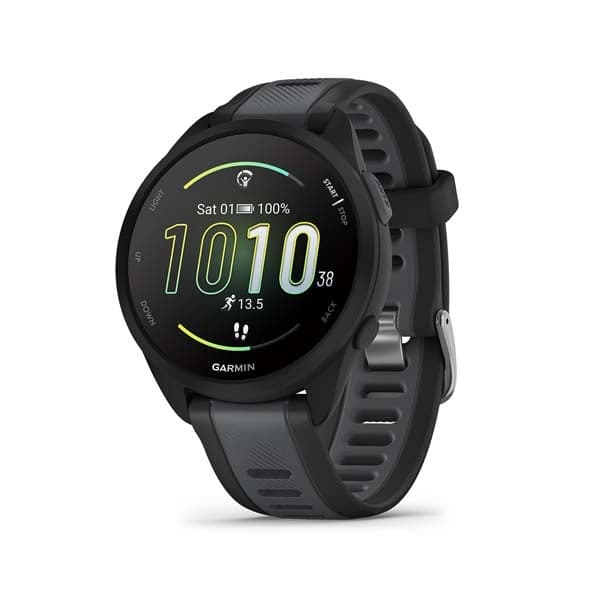
Spend S$80 on a fitness band instead of S$400 on a proper smartwatch and the honest truth is this: you are not buying a worse watch. You are buying a different object. The cheap bands quietly nail the 90% of tracking most people actually look at: steps, continuous heart rate, sleep, blood oxygen, a hundred-plus workout modes, and battery measured in weeks, not days. What they drop is the expensive 10% that the spec sheets love to brag about.
So the smart way to shop here is to pick by what you give up, not by which box has the most ticks. This guide is built on published manufacturer specs and the consensus of credible expert reviewers: we have not strapped these to our wrists and run a lab. Treat it as research-backed buying guidance, structured around the four questions that actually decide the purchase: best value, best battery, best app, and cheapest. It is part of our fitness wearables and trackers hub, the home for our wider tracker coverage.
| Pick | Best for | Standout | Indicative price |
|---|---|---|---|
| Xiaomi Smart Band 9 | Best value | 1.62-inch AMOLED, up to 21-day battery | Roughly €40 launch (~under S$80) |
| Amazfit Band 7 | Best battery | Up to 28 days in battery-saver mode | US$49.99 |
| Fitbit Inspire 3 | Best app & ecosystem | Polished Fitbit dashboard, 10-day battery | ~S$130–150 |
| Honor Band 9 | Cheapest serious option | 1.57-inch AMOLED, up to 14-day battery | ~US$35 (CNY249 launch) |
- Best for
- Best value
- Standout
- 1.62-inch AMOLED, up to 21-day battery
- Indicative price
- Roughly €40 launch (~under S$80)
- Best for
- Best battery
- Standout
- Up to 28 days in battery-saver mode
- Indicative price
- US$49.99
- Best for
- Best app & ecosystem
- Standout
- Polished Fitbit dashboard, 10-day battery
- Indicative price
- ~S$130–150
- Best for
- Cheapest serious option
- Standout
- 1.57-inch AMOLED, up to 14-day battery
- Indicative price
- ~US$35 (CNY249 launch)
What you actually give up versus a S$400 watch
Start with the trade-off, because it is the whole story. The jump from a budget band to a flagship watch buys you a handful of specific things, and a handful only. You gain built-in GPS on the cheapest models that lack it, an ECG sensor, broad on-wrist contactless payments, voice assistants with real reach, and a deep third-party app ecosystem. Reviewers at Android Central frame the budget tier exactly this way: the bands skip those headline extras while nailing the daily basics with far longer battery life.
Here is the part the marketing skips. For most people, that expensive 10% sits unused. If you commute, sit at a desk, train at a gym or on a treadmill, and want to glance at your resting heart rate and last night's sleep, a S$50 band covers it. The single honest catch, and Singapore runners need to hear this one clearly: is GPS. The cheapest bands have none of their own, so an outdoor run's distance is only as accurate as the phone in your pocket. Forget the phone, and the map gets fuzzy.
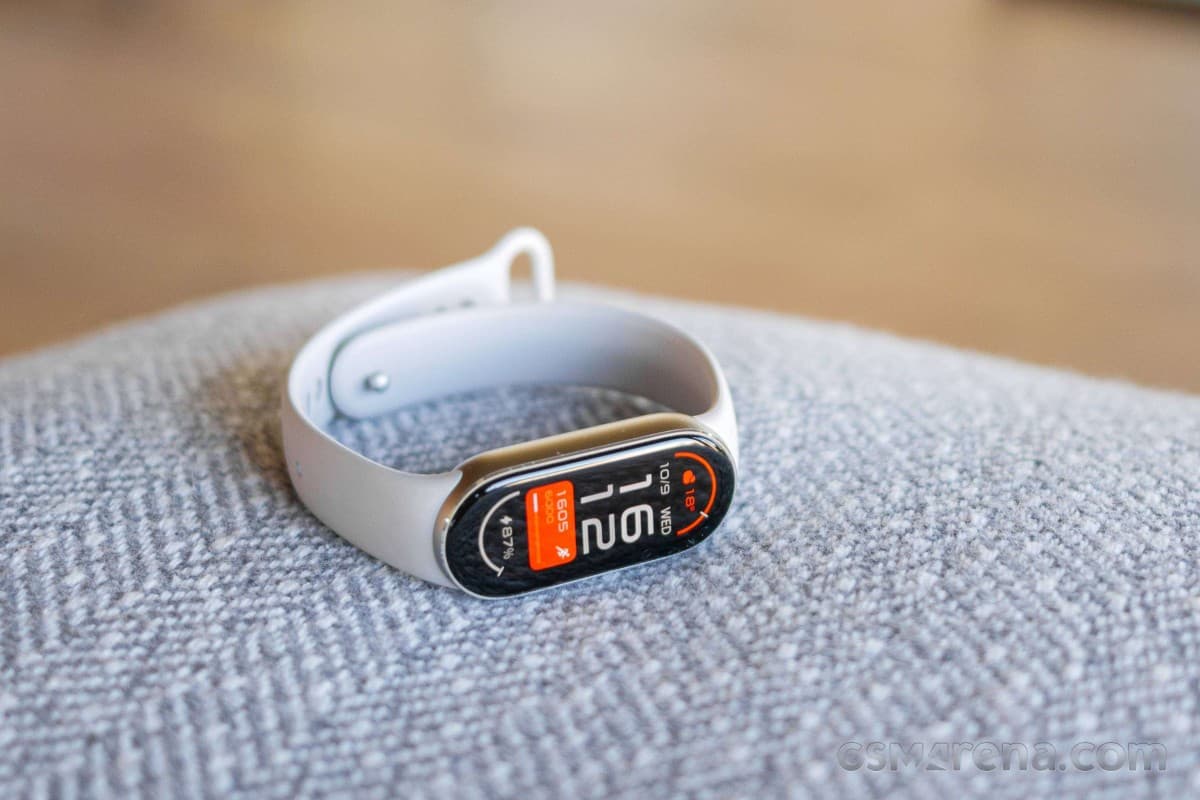
Best value: Xiaomi Smart Band 9
This is the anchor of the entire category, and it earns the spot. The Xiaomi Smart Band 9 runs a 1.62-inch AMOLED display that pushes up to 1200 nits at 60Hz: bright enough to read in Singapore's midday glare: on a 233mAh battery rated up to 21 days of typical use, or roughly 9 days with the always-on display switched on. It carries 50m water resistance, over 150 workout modes, and heart-rate, SpO2 and sleep tracking. The body weighs just 15.8g without the strap, which is the kind of featherweight you forget you are wearing.
It launched at roughly €40, per GSMArena: the price of two cinema tickets, give or take. The one omission to know before you buy: its sensor set is accelerometer, gyroscope, optical heart rate and ambient light only. There is no built-in GPS, so outdoor distance leans entirely on a connected phone. For a daily-driver band that handles steps, heart rate, sleep and notifications without you ever thinking about it, nothing else at this price is as easy to recommend.
Best battery: Amazfit Band 7
If your real complaint with wearables is the charging cable, this is your answer. The Amazfit Band 7 pairs a 1.47-inch AMOLED with a 232mAh battery rated up to 18 days of typical use, and up to 28 days if you ride it in battery-saver mode. That is a band you top up roughly twice a month and otherwise ignore.
The fundamentals are all present: 24-hour heart rate and SpO2 through its BioTracker 3.0 sensor, 120 sports modes, 5 ATM (50m) water resistance, and Alexa built in for quick voice queries. It sold for US$49.99. Same GPS caveat applies: there is no chip on board, so outdoor route accuracy depends on dragging your phone along. As a set-and-forget tracker for people who hate babysitting their gadgets, the Band 7 is hard to beat.
Best app and ecosystem: Fitbit Inspire 3
Specs are not everything. The software you stare at every morning matters just as much, and this is where Fitbit still leads the budget pack. The Fitbit Inspire 3 brings a colour AMOLED touchscreen, up to 10 days of battery even with the always-on display, plus heart rate, SpO2, stress and sleep tracking across 41-plus exercise modes, all water-resistant to 50m. There is no built-in GPS, so it too borrows your phone's signal for outdoor routes.
The Fitbit app remains the most polished and beginner-friendly health dashboard in this segment: clear, calm, and genuinely useful for someone tracking their first month. There is a catch worth weighing. As Consumer Reports notes, the Inspire 3 retails for around US$100 and ships with a six-month Premium trial, but the deeper long-term insights sit behind Fitbit Premium (roughly US$10 a month, or US$79.99 a year) once that trial lapses. At roughly S$130-150 it also brushes against, or just over, the top of this budget. You are paying for software, not raw hardware, and whether that is worth it depends on how much you value the experience over the spec sheet.
Cheapest serious option: Honor Band 9
The bottom of the market is not the bottom of the barrel. The Honor Band 9 is a genuinely capable AMOLED band at the lowest sensible price. You get a 1.57-inch AMOLED (402x256), a battery rated up to 14 days of normal use, plus heart rate, SpO2 and sleep tracking, 96 sport modes and 5 ATM water resistance. It launched at roughly CNY249: somewhere near US$35.
No surprises on the trade-off: there is no built-in GPS, so connected-phone tracking is the routine for outdoor distance. For an absolute-minimum-spend buyer or a first-time tracker owner who wants to test whether they will actually use one of these things, the Honor Band 9 is the lowest-risk way in.
The GPS question, and the step-up worth knowing
If you mostly run on a treadmill or train at the gym, built-in GPS is irrelevant. The accelerometer handles indoor distance, and you will never miss the chip. The question only matters for outdoor runners and cyclists who want to log an accurate route without their phone.
There are two routes up from the GPS-less bands. The Xiaomi Smart Band 9 Pro is the cleaner one: a larger 1.74-inch AMOLED, a 350mAh battery still rated up to 21 days typical, and: the headline upgrade: built-in multi-band GPS for phone-free tracking, around US$79. The other is the Amazfit Bip 5, sold in Singapore for S$89, with a big 1.91-inch display, built-in GPS, Alexa and Bluetooth calling. One honest warning on the Bip 5: that GPS is thirsty. Tom's Guide logged only about 6.3 hours of life with GPS running: fine for a 10km loop, a real constraint for a long ride or a marathon.
So which one should you buy?
For most people, the Xiaomi Smart Band 9 is the default. It is light, bright, lasts the better part of a month, and costs about as much as a nice dinner. Pick the Amazfit Band 7 if charging is your pet hate, the Fitbit Inspire 3 if a clean app and gentle onboarding matter more than specs (and the Premium upsell does not bother you), and the Honor Band 9 if you want the lowest sensible price with no real compromise on the basics. Step up to the Smart Band 9 Pro only if phone-free outdoor GPS is non-negotiable. If your budget stretches past this tier, our Singapore fitness trackers buying guide covers the full field with local SGD pricing.
A closing note on the numbers. Optical heart rate and sleep staging on wrist-worn devices at any price are estimates, not clinical readings: useful for spotting trends, not for diagnosis. None of this is medical advice. If a metric genuinely worries you, or you have a heart or sleep condition, talk to a doctor rather than your wrist.
FAQ
What is the best cheap fitness tracker in 2026?
Xiaomi Smart Band class devices cover steps, heart rate and sleep for under S$100. HPB's AXTRO Fit is free if you qualify through Healthy 365 programmes.
Do budget trackers work for running?
Fine for easy runs and trends. Hard intervals and pace accuracy still favour Garmin or Apple at higher tiers.
Should I buy overseas to save money?
Grey imports can void local warranty. For a S$50 band that may not matter. For anything you rely on daily, buy from an authorised Singapore seller.
Do budget trackers need subscriptions?
Most budget bands do not. Always check before buying recovery-focused devices such as WHOOP or Oura, where subscriptions are part of the product.
Can a budget tracker sync with Healthy 365?
Only approved models count toward HPB rewards. Check the current Healthy 365 compatible device list before you buy for points.
Sources
- Xiaomi: Smart Band 9 specs
- GSMArena: Xiaomi Smart Band 9 review
- Amazfit: Band 7
- Android Central: Amazfit Band 7 review
- Google Store: Fitbit Inspire 3 specs
- Consumer Reports: Fitbit Inspire 3 review
- Notebookcheck: Honor Band 9 launch
- TechRadar: Xiaomi Smart Band 9 Pro review
- Amazfit Singapore: Bip 5
- Tom's Guide: Amazfit Bip 5 review
Spot an error or have a product we should test? We read every note.
Get in touch