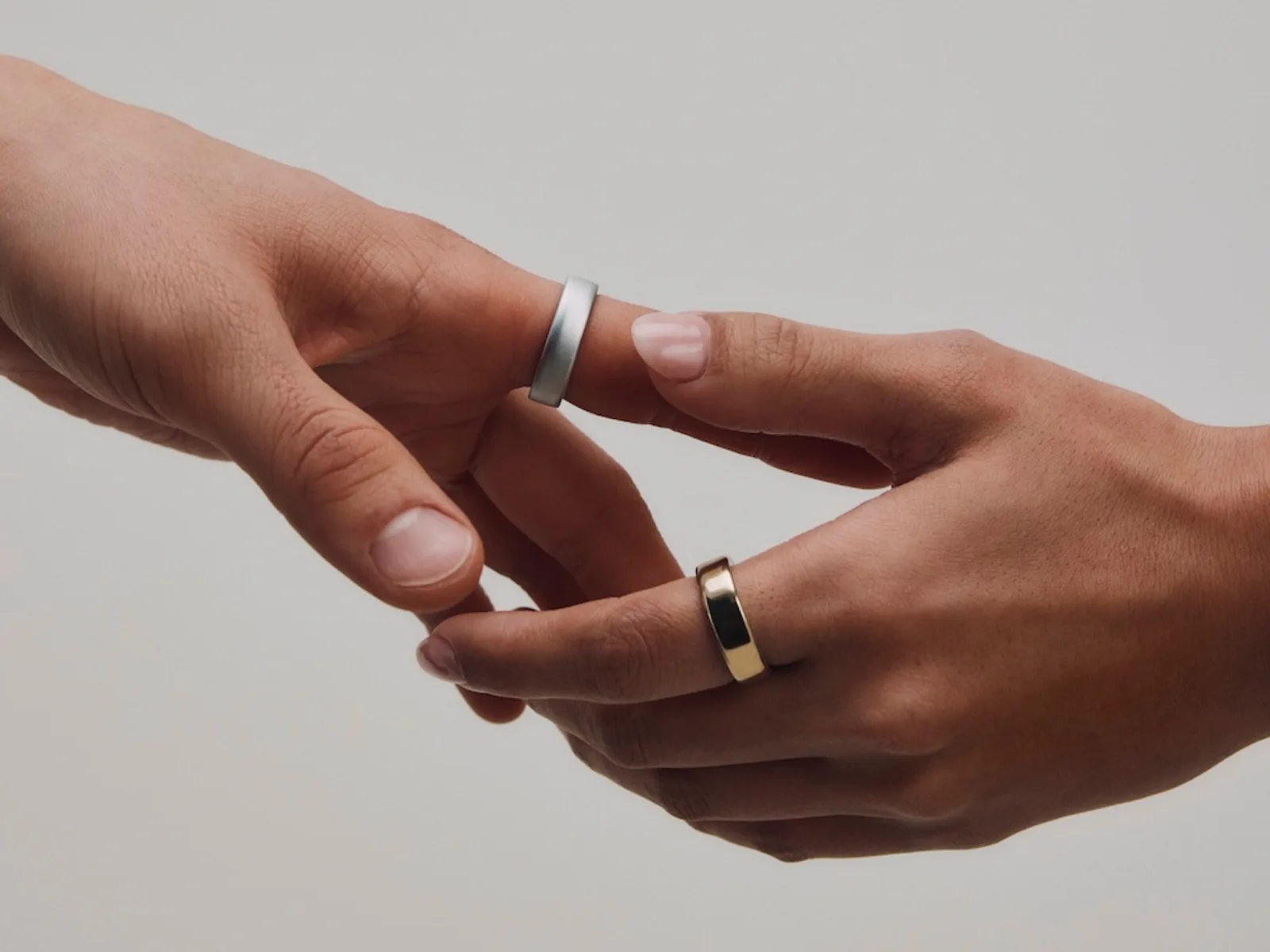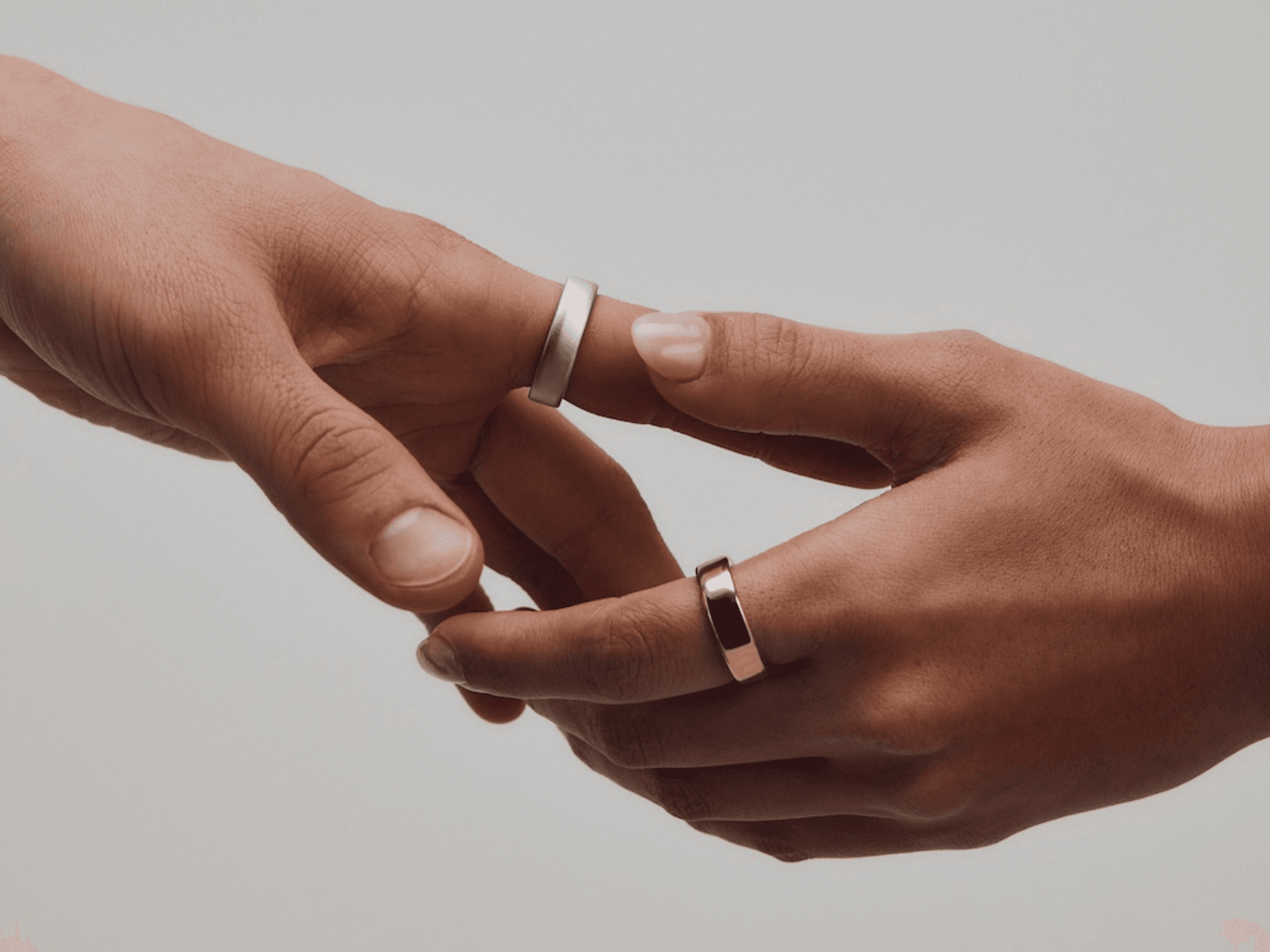
First correction: it is Oura, not Aura. The buying question is whether Oura Ring 5's smaller hardware, cleaner app and stronger platform history are worth more than RingConn Gen 3's lower lifetime cost.
The buying decision is not complicated. Oura has the stronger brand, cleaner app story and deeper validation base across earlier Oura rings. RingConn counters with a lower lifetime cost because it has no subscription. Both are wellness trackers, not medical devices, and neither should be treated as a diagnosis machine for sleep apnea, blood pressure, illness or heart problems.
| Pick | Best for | Price | Biggest caveat |
|---|---|---|---|
| Oura Ring 5 | Best polished smart-ring experience | US$399 to US$499, Singapore reports S$599 to S$749 | Full app needs membership |
| RingConn Gen 3 | Best no-subscription alternative | US$349 | Health-claim evidence is thinner |
- Best for
- Best polished smart-ring experience
- Price
- US$399 to US$499, Singapore reports S$599 to S$749
- Biggest caveat
- Full app needs membership
- Best for
- Best no-subscription alternative
- Price
- US$349
- Biggest caveat
- Health-claim evidence is thinner
Oura Ring 5
Oura Ring 5 launched in late May 2026 and began shipping in early June. It starts at US$399 for Silver and Black, with premium finishes at US$499. Singapore coverage reports S$599 and S$749 local pricing. The membership remains the cost trap: US$5.99 a month or US$69.99 a year for full app access.
The hardware change is the headline. Oura Ring 5 is narrower and thinner than Ring 4, at about 6.09 mm wide and 2.28 to 2.29 mm thick, with sizes 6 to 13 and a claimed 6 to 9 days of battery. Oura's spec sheet lists 100 m water resistance, Bluetooth 5.0, iOS 16+ and Android 11+ support, optical LEDs, photodetectors, temperature sensing and an accelerometer.
The catch: Oura's best public validation base is mostly for the Oura platform and earlier generations, not Ring 5 specifically. That does not make Ring 5 dubious. It means the careful wording is "Oura has stronger platform validation" rather than "Ring 5 is independently proven to diagnose your life."
RingConn Gen 3
RingConn Gen 3 is the direct counterargument to Oura: US$349, no subscription, long battery and a growing feature set. Preorders opened in May 2026, with launch coverage around the end of that month.
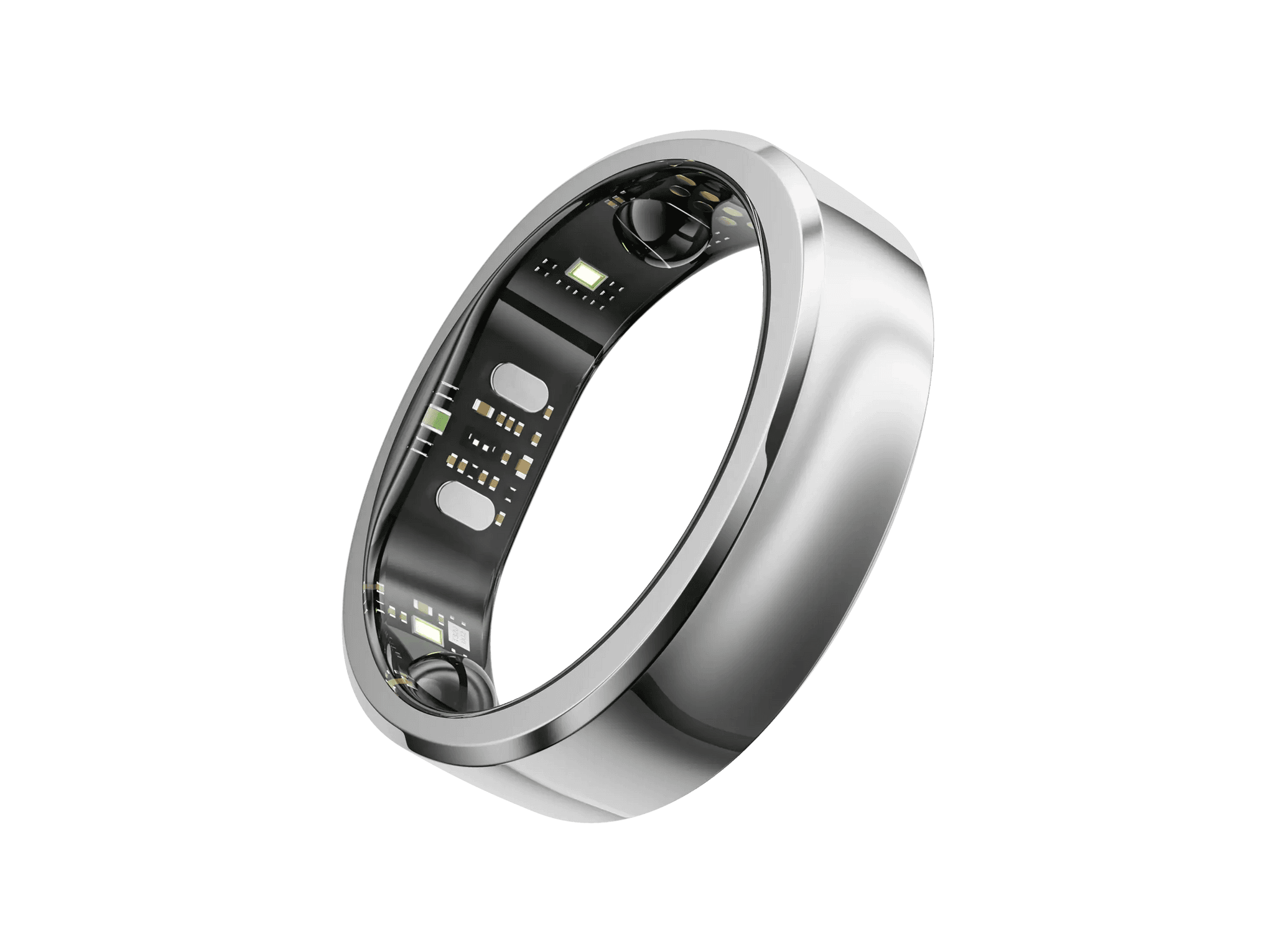
The specs are competitive on paper. RingConn lists sizes 6 to 15, 2.3 mm thickness, about 2.5 to 3.5 g weight and up to 14 days of battery with vibration off. With vibration on, review coverage puts real-world expectations closer to 10 to 13 days. Sensors include optical heart-rate hardware, temperature sensing, a 3-axis accelerometer and a vibration motor. RingConn's Gen 3 product specs list iOS 17+ and Android 10+ support.
The catch is evidence. RingConn's vascular trend and sleep-apnea-related language needs careful framing. Say vascular trend insights and sleep-apnea risk indicators, not blood-pressure readings or sleep-apnea diagnosis. If a ring flags something worrying, the next step is a clinician or validated medical device, not a victory lap through the app.
Subscription is the real price difference
Oura's sticker price is not the full price if you want the product most buyers think they are buying. Without membership, the app experience is limited. With membership, the first three years add roughly US$215.64 at US$5.99 a month, before currency conversion and local card fees do their small, irritating dance.
RingConn's no-subscription model is the reason it matters. Even if Oura feels more polished, RingConn can be the better long-term value for someone who wants sleep, recovery and activity trends without another recurring charge.
The honest decision is this: pay Oura if app polish, ecosystem and validation history matter more. Pick RingConn if lower lifetime cost and longer battery matter more.
What to believe, and what not to
Smart rings are good at trends. Resting heart rate, heart-rate variability, temperature shifts, total sleep patterns and consistency can be useful over weeks. They are much weaker as single-night truth machines. Your "deep sleep" number is an estimate. Your recovery score is a nudge, not a lab report.
This is especially important for sleep and vascular claims. For a broader read on the limits of consumer sleep staging, see our sleep tracker guide. For the wider wearable-buying context, see our fitness trackers worth knowing guide.
Which one should you buy?
For Tyler's scored Oura Ring 5 testing notes, see the Oura Ring 5 review.
Buy Oura Ring 5 if you want the most polished smart-ring experience and can tolerate the subscription. It is the safer pick for someone who values app design, ecosystem and the Oura platform's broader validation history.
Buy RingConn Gen 3 if you want the better lifetime-cost story. The no-subscription model is not a small advantage. It is the whole financial argument.
FAQ
Oura Ring 5 or RingConn Gen 3?
Oura leads app polish and platform history with membership cost. RingConn leads no-subscription lifetime pricing with thinner third-party validation.
Which ring has better sleep tracking?
Oura has stronger public validation across its platform. Both remain wellness estimators, not medical sleep studies.
Do both rings need subscriptions?
Oura gates full features behind membership. RingConn advertises no subscription for core app access.
Which is more comfortable?
Oura Ring 5 is substantially slimmer than Ring 4. RingConn Gen 3 is competitive on weight; sizing kit fit determines comfort for both.
Are smart rings medical devices?
No. Treat vascular trends and sleep flags as wellness signals. Abnormal readings need clinician follow-up.
Sources
- Oura homepage
- Wired: best smart rings
- TechCrunch: Oura unveils Ring 5
- The Verge: Oura Ring 5 hands-on
- The Verge: Oura Ring 5 preorder and price
- Android Authority: Oura Ring 5 launch
- TechCrunch: Oura Ring 5 review
- HardwareZone: Oura Ring 5 Singapore pricing and availability
- PCMag UK: Oura Ring 5 vs Oura Ring 4
- Oura support: Ring 5 specs
- Gadgets & Wearables: RingConn Gen 3 preorders
- PRNewswire: RingConn Gen 3 launch
- Lifehacker Australia: RingConn Gen 3 review
- Gadgets & Wearables: RingConn Gen 3 review
- RingConn Gen 3 product page
- RingConn app on the App Store
- ScienceDirect: Oura sleep validation study
- PMC: Oura platform validation study
- Gadgets & Wearables: RingConn blood-pressure tracking caution
- ClinicalTrials.gov: RingConn sleep-apnea-related study
- Medical Device Developments: RingConn Gen 2 smart ring
Spot an error or have a product we should test? We read every note.
Get in touch