
Your sleep tracker is very good at one thing and only okay at the thing you keep staring at. It knows almost perfectly whether you were asleep or awake. It is guessing, politely, when it tells you that you got 1h 12m of deep sleep. Once you understand that split, picking the right device in 2026 gets a lot easier, because you stop buying on a number nobody can deliver and start buying on the things that actually hold up.
This is a research-backed buyer's guide built on manufacturer specs and published validation studies. We haven't strapped these to our wrists for a month, and you shouldn't trust anyone who claims a single night of home data settles the accuracy question. The lab studies already did the hard part.
| Pick | Best for | Standout | Indicative price (SGD) |
|---|---|---|---|
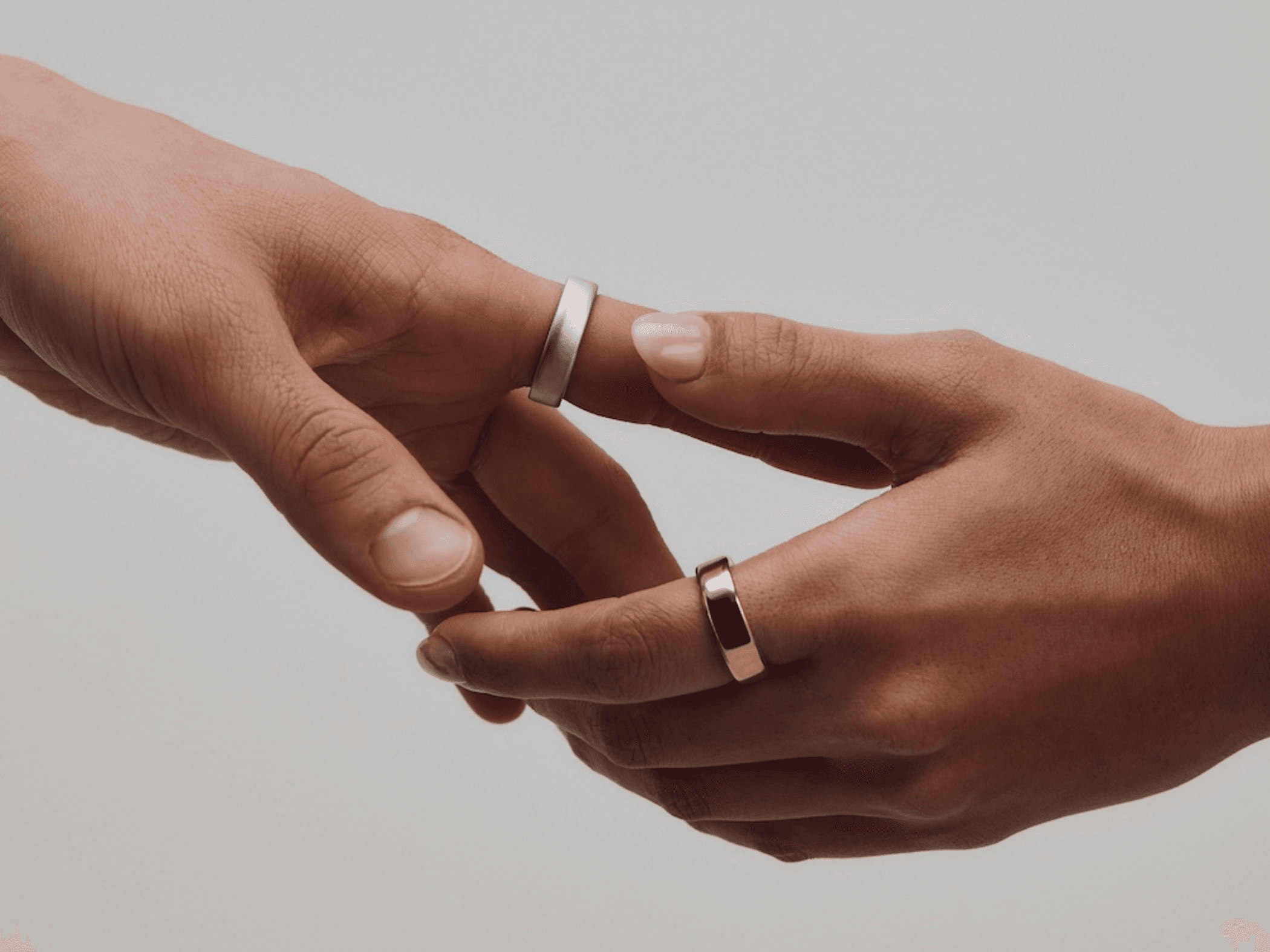
| Oura Ring 4 | Best overall ring | Strongest staging validation; 8-day battery | ~S$470 + membership |
| Samsung Galaxy Ring | Ring without subscription | Snore analysis; Galaxy-phone ecosystem | Check retailer |
| WHOOP | Recovery coaching | Strain + sleep need; screenless band | S$259–529/year (band included) |
| Apple Watch | Watch you already own | Sleep Score; no extra subscription | From ~S$319 (device) |
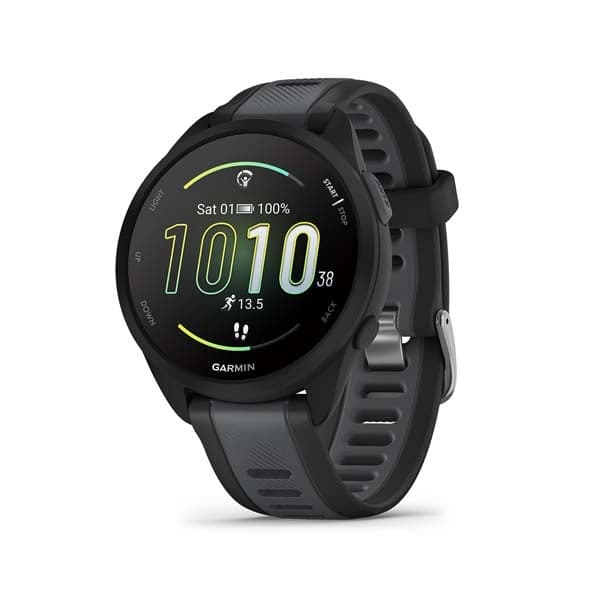
| Garmin (Venu / Forerunner / Fenix) | Multi-day battery | Sleep stages; no subscription | Varies by model |
| Withings Sleep | Wear nothing | Under-mattress; snore + cycles | ~S$270 |
- Best for
- Best overall ring
- Standout
- Strongest staging validation; 8-day battery
- Indicative price (SGD)
- ~S$470 + membership
- Best for
- Ring without subscription
- Standout
- Snore analysis; Galaxy-phone ecosystem
- Indicative price (SGD)
- Check retailer
- Best for
- Recovery coaching
- Standout
- Strain + sleep need; screenless band
- Indicative price (SGD)
- S$259–529/year (band included)
- Best for
- Watch you already own
- Standout
- Sleep Score; no extra subscription
- Indicative price (SGD)
- From ~S$319 (device)
- Best for
- Multi-day battery
- Standout
- Sleep stages; no subscription
- Indicative price (SGD)
- Varies by model
- Best for
- Wear nothing
- Standout
- Under-mattress; snore + cycles
- Indicative price (SGD)
- ~S$270
What the science actually says about accuracy
Strip away the marketing and the picture from peer-reviewed research is remarkably consistent. Consumer trackers are excellent at detecting sleep versus wake and noticeably weaker at scoring the stages within sleep.
A 2021 multi-device study in the journal SLEEP (Chinoy et al.) compared seven popular trackers against polysomnography, the in-lab gold standard with electrodes on your scalp. Every device hit a sensitivity for detecting sleep of at least 0.93. The catch: their ability to correctly flag wake within the night ranged from just 0.18 to 0.54. Translation: these gadgets over-credit you with sleep and miss brief awakenings, because lying still in the dark looks a lot like sleeping to a device reading your wrist.
Staging is where it gets shakier. The foundational Oura-versus-PSG study (de Zambotti et al., 2019) found the ring nailed sleep detection at 96% sensitivity but agreed with the lab only around 65% of the time on light sleep, 51% on deep sleep and 61% on REM. A 2023 multicenter validation of 11 trackers (Lee et al., in JMIR mHealth and uHealth) ran 349,114 epochs against polysomnography and found staging performance scattered wildly, from a macro F1 of 0.26 for the worst device to 0.69 for the best. There is no single "sleep tracker accuracy" figure. It depends entirely on which device and which metric.
Here's the part that reframes everything: even trained human scorers reading the same polysomnography agree on the stage only about 83% of the time. Deep-sleep staging is genuinely hard, even for experts with the full electrode rig. So a wrist or finger device landing in the 50-65% range on stages isn't broken. It is doing a difficult job with far less data.
So what should you actually look at?
If staging is an educated estimate, what's reliable? Plenty.
- Total sleep time and sleep-versus-wake are the trackers' strong suit. The night you got five hours instead of seven, your device knows.
- Resting heart rate and heart-rate variability (HRV) are measured directly from your pulse, not inferred, and they're solid for spotting trends.
- Bedtime consistency. The most useful number on most apps is the least glamorous: are you going to bed at roughly the same time?
- The direction of travel. One night means little. A week trending worse means something.
So when your app says "1h 12m of deep sleep," read it as a rough estimate that's most useful compared to your own baseline, not as a clinical readout. If that figure climbs over a fortnight, good. Fixating on a single night's deep-sleep minutes is chasing noise. None of this is medical advice, and persistent poor sleep, loud snoring or daytime exhaustion is a conversation for a doctor, not an app.
Rings: the everyday pick
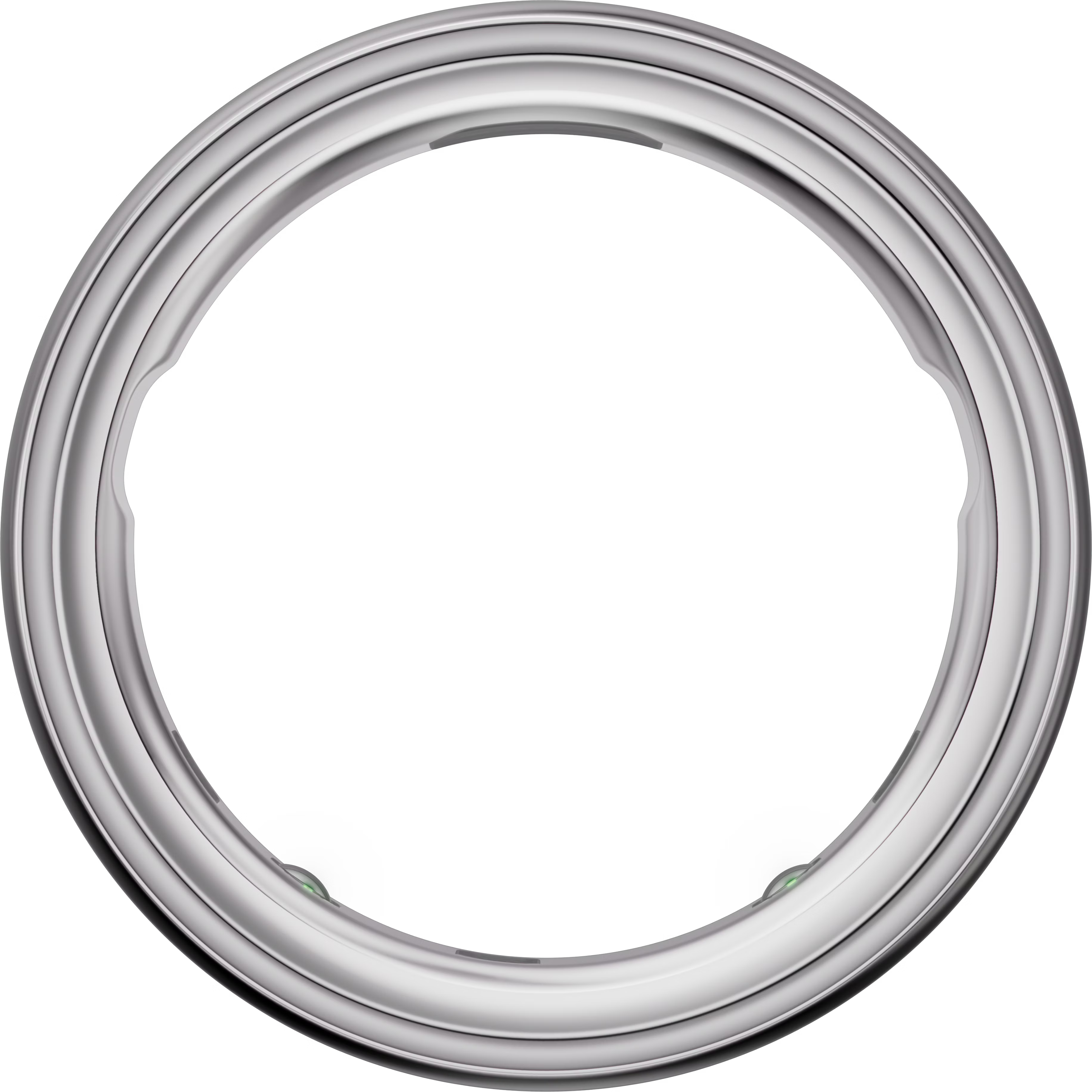
For most people who want serious sleep data without wearing a watch to bed, a smart ring is the answer, and the Oura Ring 4 is the one to beat. In the 2024 Brigham and Women's Hospital validation (published in Sensors, 35 participants, in-lab night against polysomnography), Oura came out as the most accurate consumer device tested for four-stage classification, roughly 5% ahead of the Apple Watch and 10% ahead of Fitbit. On deep-sleep sensitivity specifically it managed about 79.5% versus the Apple Watch's 50.5%. That's still an estimate, but it's the best estimate on the market.
The hardware backs it up. The Ring 4 is all-titanium, weighs between roughly 3.3 and 5.2 g depending on size, runs up to 8 days per charge, and its "Smart Sensing" more than doubles the signal pathways from 8 to 18 over the Gen3 to hold a clean read as the ring shifts on your finger. It's water-resistant to 100 m and effectively invisible once it's on.
The catch is the subscription. The ring starts at US$349 (roughly S$470) and most of the useful data sits behind the Oura Membership at US$5.99/month or US$69.99/year (about S$8/month or S$95/year). Skip the membership and you're left with three daily scores and little else. Budget for the fee or buy something else.
The no-subscription alternative: the Samsung Galaxy Ring, also titanium, with 6 to 7 days of battery depending on size. It tracks sleep via heart rate, blood oxygen and skin temperature, throws in snore analysis, and charges no recurring fee. The trade-off is the ecosystem: its insights live inside Samsung Health and it's built for Galaxy-phone owners. If that's you and you hate subscriptions, it's the obvious counterweight to Oura.
Straps: for the recovery-obsessed
WHOOP is a screenless band you wear on your wrist or bicep, and it's a different bargain entirely. There's no upfront hardware cost. You pay a membership and the band comes with it. In Singapore the tiers run WHOOP One at S$259/year, Peak at S$349/year and Life (WHOOP MG) at S$529/year, all with 14-plus days of battery. The flip side of "free hardware" is that the band stops working the moment you stop paying. You're renting it.
What you get for the rent is coaching: all four sleep stages, recovery scores, daily strain and sleep-need guidance, pitched at athletes and lifters who want to be told how hard to train today. If you live by that loop, it's compelling. If a permanent subscription makes your skin crawl, walk away now.
Watches: capable sleep tracking you may already own
If you already wear a smartwatch, you may not need a dedicated sleep device at all. Both major platforms now do sleep with no extra subscription.
The Apple Watch on watchOS 26 gives a 0-100 Sleep Score plus Deep, Core and REM estimates and respiratory rate, with nothing to install, on Series 6 and later, SE 2 and later, and Ultra. Independent polysomnography testing puts it mid-pack: it correctly identified about 53% of all sleep stages, with a total-sleep-time bias around 48 minutes. Fine for trends, loose for any single night. The real friction is battery, roughly 18 to 36 hours, which means you have to find a slot to charge it that doesn't collide with bedtime.
Garmin (Venu, Forerunner and Fenix lines) also does sleep stages and a Sleep Score with no subscription, and its big advantage is battery: multi-day to multi-week depending on the model, so charging never competes with sleep. Independent PSG testing has it identifying about 50% of stages with a roughly 45-minute total-sleep bias, broadly level with Apple. Garmin's 2026 Q1 update adds Sleep Alignment and circadian guidance on the Fenix 8, Forerunner 970 and Venu 4. For Android users, runners and outdoor athletes who want long battery and no fees, it's the natural pick.
For both: if you'll wear the watch all day anyway, the sleep tracking is genuinely "for free." If you only want sleep data, a ring is more comfortable and far less needy about charging.
Under-mattress and bed systems: wear nothing
Some people simply will not sleep with a thing on their body. There are good options.
Withings Sleep is a thin mat that slides under your mattress (around US$199.95, roughly S$270, a one-off with no per-feature paywall for core tracking). A pneumatic ballistography sensor reads heart rate, breathing, movement and snoring, and detects sleep cycles, all passively. It needs mains power, fits mattresses around 10 to 38 cm thick, and works cleanly for one sleeper per mat. It can't tell two people apart on the same mat. For set-and-forget sleep and snore tracking with zero hardware on you, it's the straightforward choice.
Eight Sleep Pod 4 is the luxury end. It's a bed-cover system that tracks stages, HRV, breathing and heart rate while actively heating and cooling each side of the bed independently. The tracking is honestly the bonus here; temperature control is the actual product. The price reflects that ambition: Pod 4 hardware runs roughly US$2,449 to US$2,849-plus for a queen (around S$3,300 and up), and a mandatory Autopilot membership of about US$17 to US$33/month (roughly S$23 to S$45) is required for the first 12 months. If you run hot, or share a bed with a partner who likes it Arctic while you don't, and you'll pay supercar money to fix it, this is the one. For everyone else, the number on the sticker ends the conversation.
The bottom line
Buy on what these devices reliably deliver: total sleep, consistency, resting heart rate, HRV and the night-to-night trend. Treat the deep-sleep minutes as a useful estimate, not a verdict.
For most people, the Oura Ring 4 is the everyday pick, most accurate in the latest staging study and barely noticeable, as long as you accept the membership. Want no subscription? The Samsung Galaxy Ring if you're on a Galaxy phone, or your existing Apple Watch or Garmin if you already wear one. Want coaching and don't mind renting? WHOOP. Refuse to wear anything? Withings Sleep, or Eight Sleep if budget is no object and bed temperature is the real problem you're solving. There's no single best tracker, only the best one for how you actually sleep.
FAQ
What is the best sleep tracker in 2026?
Oura Ring class devices lead overnight comfort and staging for many users. Apple Watch Series 11 improved all-day battery enough to make wrist sleep practical for iPhone owners.
Are sleep scores accurate?
Asleep versus awake is reasonable on good devices. Light, deep and REM splits are estimates, not lab polysomnography.
Watch or ring for sleep?
Rings move less overnight. Watches add convenience if you already wear one and charge daily.
Do sleep trackers diagnose apnea?
No. Consumer flags are screening prompts only. Abnormal results need clinical follow-up, not app reassurance.
Should I pay for sleep subscriptions?
Only if the coaching changes behaviour you care about. Many people get enough from free stages and consistent bedtime routines.
Sources
- Chinoy et al.: seven consumer sleep trackers vs polysomnography
- de Zambotti et al.: Oura Ring vs polysomnography
- JMIR mHealth and uHealth: validation of 11 consumer sleep trackers
- Sensors: five commercial sleep trackers vs actigraphy and polysomnography
- Oura: Sleep Staging Algorithm 2.0
- Oura: Ring 4
- Samsung: Galaxy Ring
- WHOOP: membership
- Apple: watchOS sleep tracking
- Withings: Sleep Analyzer
- Eight Sleep: Pod 4
Spot an error or have a product we should test? We read every note.
Get in touch