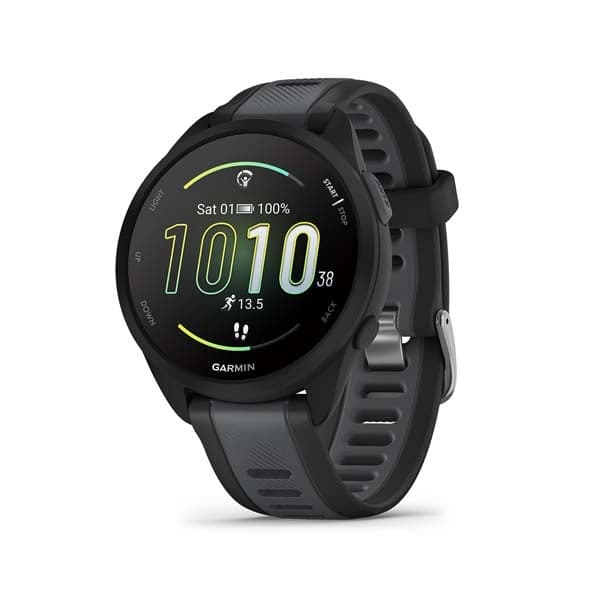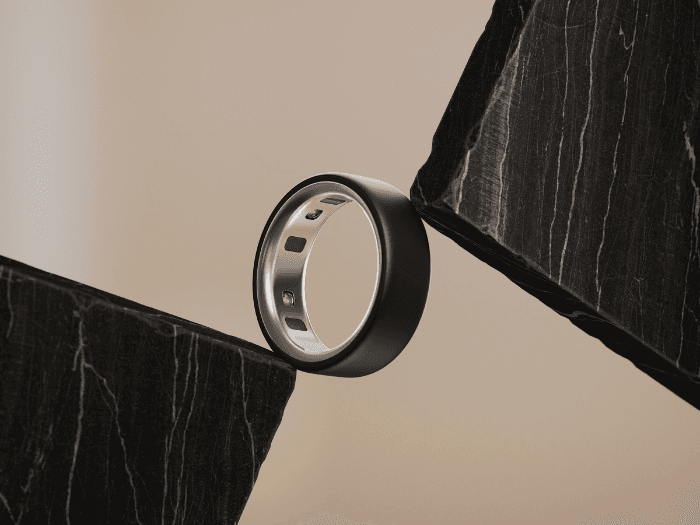
Your watch can track sleep, pulse, oxygen saturation, heart rhythm, stress and sometimes blood pressure-style signals. That does not mean it is practising medicine. The difference between a wellness feature and a medical device is where the claim points: better habits, or diagnosis and treatment.
This is not legal or medical advice. It is a consumer translation of the boundary that matters when you read a wearable spec sheet.
| Feature | Often wellness when | Medical-device concern when |
|---|---|---|
| Heart rate | Tracks fitness trends and exertion | Claims diagnosis or clinical monitoring |
| Blood pressure estimate | General wellness context without disease claims | Guides hypertension care or medication decisions |
| Blood glucose estimate | Nutrition and habit context with proper limits | Claims diabetes management or diagnosis |
| Sleep score | Encourages sleep habits | Claims to diagnose sleep disorders |
| ECG | Uses authorised feature with clear instructions | Unofficial app claims clinical interpretation |
- Often wellness when
- Tracks fitness trends and exertion
- Medical-device concern when
- Claims diagnosis or clinical monitoring
- Often wellness when
- General wellness context without disease claims
- Medical-device concern when
- Guides hypertension care or medication decisions
- Often wellness when
- Nutrition and habit context with proper limits
- Medical-device concern when
- Claims diabetes management or diagnosis
- Often wellness when
- Encourages sleep habits
- Medical-device concern when
- Claims to diagnose sleep disorders
- Often wellness when
- Uses authorised feature with clear instructions
- Medical-device concern when
- Unofficial app claims clinical interpretation
Why this got confusing
The FDA's updated general wellness policy gives more room for low-risk sensor-based products, including wearables that estimate or output physiological parameters for wellness uses. Legal and industry summaries point to blood pressure, blood glucose, oxygen saturation and HRV as areas where the boundary is shifting.
At the same time, the FDA has warned consumers not to use unauthorised devices that claim to measure blood pressure for clinical purposes. That is the tension: the same kind of metric can be allowed as a wellness signal and risky as a medical claim.
The word to watch is “intended”
Regulators care about intended use. A feature that says “this trend may help you build healthier habits” is not the same as one that says “you have hypertension” or “change your medication.”
For consumers, this means marketing language matters. If the feature avoids diagnosis, avoids disease-specific claims, avoids clinical thresholds and tells you to consult a professional when needed, it is likely being positioned as wellness. If it tells you what disease you have, what treatment to change, or what medical action to take, your caution level should rise.
A concrete example shows how narrow the line is. The Apple Watch ECG app cleared a specific FDA authorisation (a De Novo classification in 2018, the first over-the-counter ECG) for one defined claim, and even then it carries an informational-use-only label that tells you to consult a clinician before acting on a reading (FDA De Novo DEN180044). The unauthorised blood-pressure apps the FDA warned about never cleared that bar at all. Same kind of wrist sensor, very different regulatory standing, because the claim and the evidence behind it are not the same.
What this means for smartwatches and rings
Expect more wearables to add “screening,” “insight,” “trend” and “estimated” language. That does not mean the data is useless. It means the feature is built to nudge behaviour, not replace medical equipment.
A sleep-apnea notification, ECG feature or blood-pressure estimate can be genuinely useful if properly authorised, validated and explained. It can also be misleading if the user treats a consumer sensor like a clinic-grade device without understanding the limits.
What to ask before trusting a feature
Ask whether the feature is cleared, authorised or approved for the claim being made in your country. Ask what it says in the support documentation, not just the launch page. Ask whether the app gives specific medical thresholds or only general trends. Ask what it tells you to do when a result is abnormal.
If the answer is “talk to a clinician,” good. If the answer is “the app has basically sorted it,” no.
Singapore readers need one more step
Many wearable announcements are US-first. FDA status does not automatically mean a feature is available, authorised or appropriate in Singapore. Check local availability, app-region restrictions and health-feature support pages before buying a device for one specific metric.
Do not buy a watch for a health feature that is not live where you live. That is how expensive wrist jewellery happens.
Bottom line
Wearables are moving into a wellness-medical gray zone. Use the data to ask better questions and build better habits. Do not use it to self-diagnose, self-treat or ignore symptoms.
The more clinical a feature sounds, the more you should read the fine print.
FAQ
What is the difference between a wellness feature and a medical device?
Wellness features aim at better habits. Medical devices make diagnosis or treatment claims. The intended use and marketing language determine which bucket a feature sits in.
Can my watch diagnose hypertension?
Consumer blood-pressure estimates are not a substitute for clinical monitoring unless cleared for specific medical claims. Treat wellness readings as context, not prescriptions.
Is Apple Watch ECG a medical device?
The ECG app cleared a specific FDA authorisation for a defined claim, with instructions to consult a clinician before acting. Unauthorized blood-pressure apps did not clear that bar.
Should I change medication based on wearable data?
No. If a feature tells you what disease you have or what treatment to change, your caution level should rise. This is consumer information, not medical advice.
Why did the FDA wellness boundary shift?
Updated policy gives more room for low-risk sensor products that estimate physiological parameters for wellness uses, while still warning against unauthorized clinical claims.
Sources
- FDA general wellness policy for low-risk devices
- FDA safety communication on unauthorised blood pressure devices
- FDA De Novo clearance for the Apple Watch ECG app (DEN180044)
- MedTech Dive: FDA exempts more wearable, AI features from oversight
- Oura: new FDA guidance
- Which fitness tracker numbers are real?
- Continuous glucose monitors for non-diabetics
Spot an error or have a product we should test? We read every note.
Get in touch