
Stop shopping by feature list. The right wearable is the one that fits how you train, what phone you carry, and how much you are willing to pay every year after the box is opened. Get those three right and the spec sheet sorts itself out.
This is a buyer's guide, not a scored review. For our hands-on verdicts on specific devices, see our Reviews. It is part of our fitness wearables and trackers hub, and if you want the same advice with local SGD prices, the Singapore fitness trackers buying guide is the fuller version.
| Use-case | Pick | Standout | Recurring cost |
|---|---|---|---|
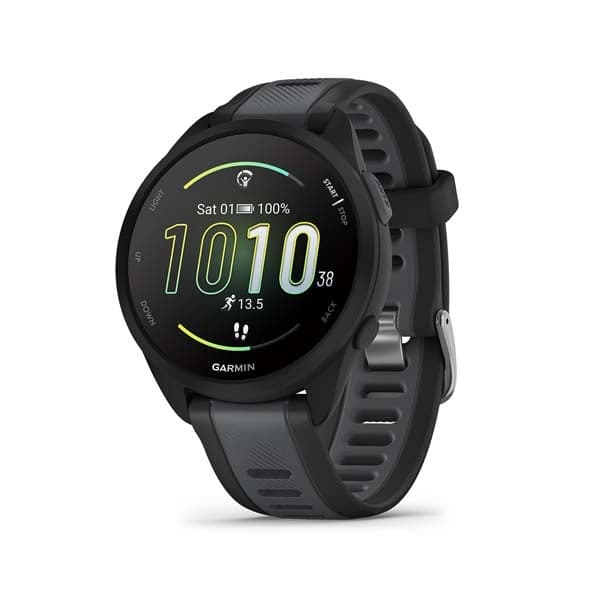
| Runners & endurance | Garmin (Forerunner / Fenix) | Multi-band GPS, multi-day battery | None |
| iPhone everyday health | Apple Watch | FDA-cleared screening features | None |
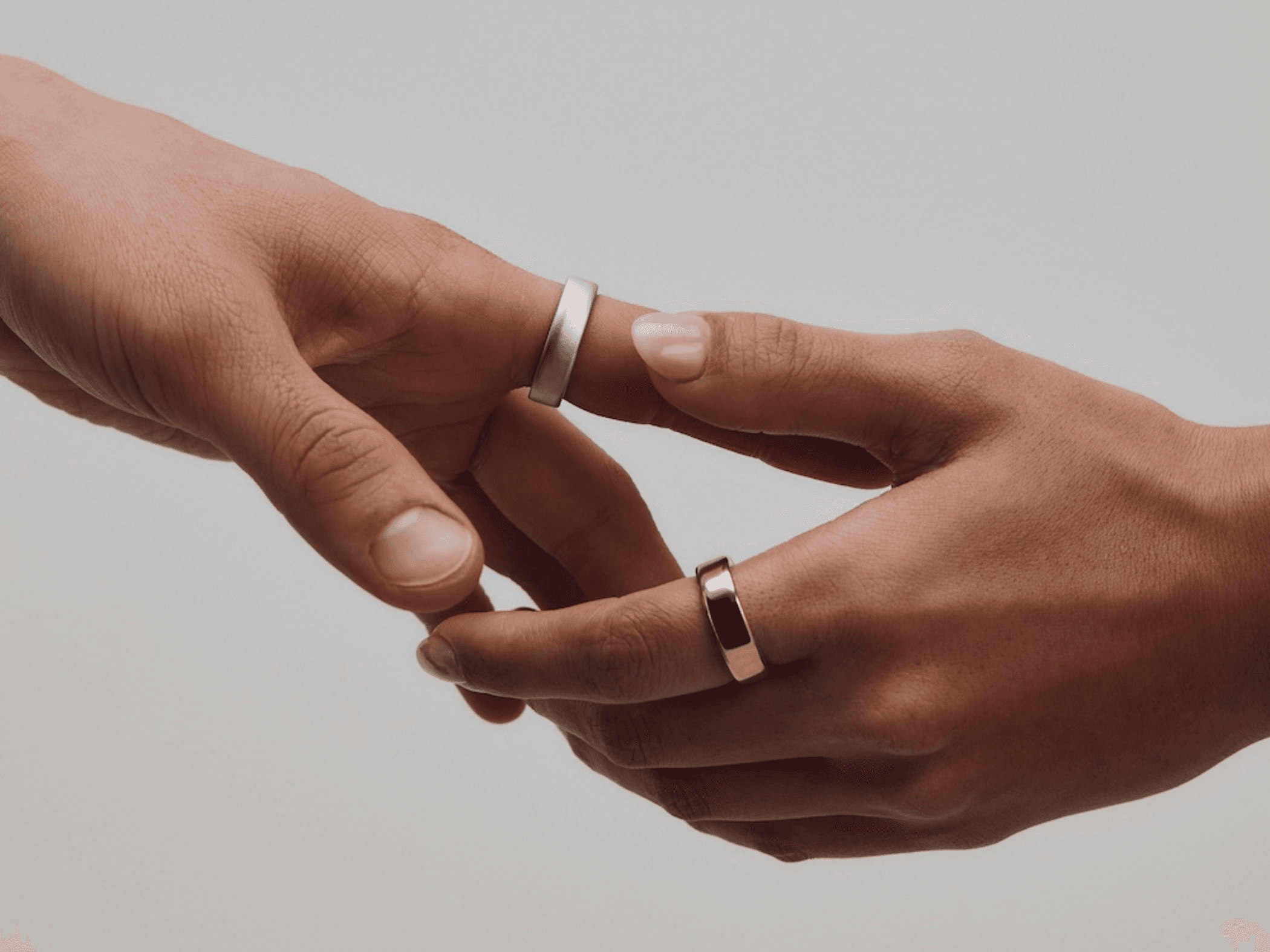
| Sleep & recovery | Oura Ring / WHOOP | Comfortable overnight wear | Oura ~S$95/yr; WHOOP S$259+/yr |
| Budget awareness | Fitbit Air / budget band | Steps, HR, sleep trends | Fitbit Premium optional |
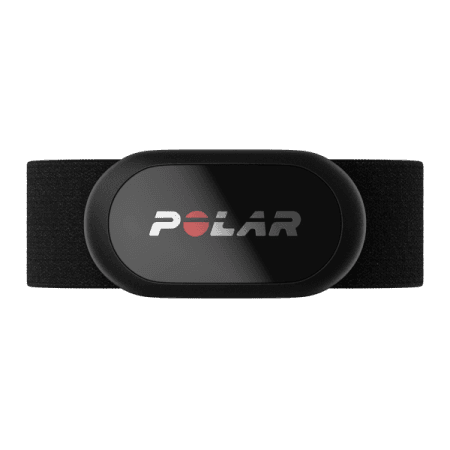
| Hard intervals | Chest strap + any watch | Honest HR under load | Strap only (~S$94+) |
- Pick
- Garmin (Forerunner / Fenix)
- Standout
- Multi-band GPS, multi-day battery
- Recurring cost
- None
- Pick
- Apple Watch
- Standout
- FDA-cleared screening features
- Recurring cost
- None
- Pick
- Oura Ring / WHOOP
- Standout
- Comfortable overnight wear
- Recurring cost
- Oura ~S$95/yr; WHOOP S$259+/yr
- Pick
- Fitbit Air / budget band
- Standout
- Steps, HR, sleep trends
- Recurring cost
- Fitbit Premium optional
- Pick
- Chest strap + any watch
- Standout
- Honest HR under load
- Recurring cost
- Strap only (~S$94+)
Start with your life, not the spec sheet
There are really three form factors competing for your wrist and finger: the full smartwatch, the screenless band, and the smart ring.
A watch gives you a screen, on-board GPS and apps, at the cost of charging it often. A screenless band like Whoop or a smart ring like Oura trades the screen and GPS for comfort and battery, which is exactly why people who hate sleeping in a watch like them. Rings last about a week per charge but lean on your paired phone for any location data.
Before budget even enters the picture, your phone narrows the field. The Apple Watch is the strongest full-stack wearable for iPhone users, folding calls, messages, apps and fitness into one device, but it offers little to Android users. Phone choice effectively picks your shortlist before price does.
The five things that actually matter
Ignore the marketing bullet points and judge any wearable on these five.
Heart-rate accuracy under load. Wrist optical (PPG) sensors are accurate at rest and during steady efforts, but they drift during short, explosive, full-body movement because of motion and blood being shunted away from the wrist. Expect a chest strap to stay within roughly 1 to 2 bpm while a wrist sensor can wander 5 to 15 bpm during hard work.
GPS. Whoop and Oura have no on-board GPS at all. They borrow your phone's location, so neither is a true standalone running watch.
Real-world battery. The spec number is not the lived number. Garmin endurance watches can run around 20 days in smartwatch mode; Oura lasts about 8 days; Whoop 5.0 is rated 14-plus days but realistically lands nearer 5 to 7; most Apple Watches need charging roughly every other day.
The subscription tax. For several devices, the sticker price is not the cost. More on that below.
Ecosystem lock-in. Buy into Apple and you get a superb experience that mostly evaporates if you switch to Android. Factor in the next phone you might own, not just the one in your pocket.
Best for runners and endurance athletes
If you run, no device matches Garmin's depth. You get multi-band GNSS GPS that holds accuracy on trails and in cities, plus running power, VO2 max, a race predictor and sport-specific training-load metrics. The multi-day battery means you charge once and forget about it through a heavy training week.
A smart ring or a screenless band cannot replace this. Without your phone, Whoop and Oura cannot map a route or give you accurate pace and distance, full stop.
One honest caveat for hard sessions: wrist heart rate is the weak link during intervals. Optical accuracy is highest at rest and falls as intensity rises, and short explosive movements like burpees produce the worst readings. Placement higher up the arm, on the forearm or upper arm, beats the wrist. For interval and HIIT work, a chest strap or armband is the better tool, and a $50 strap will out-measure a flagship watch during hard efforts. There is also a skin-tone caveat backed by research: at high intensity, darker skin tones saw mean heart-rate error of around 16 bpm versus roughly 4 bpm for lighter skin, more than four times greater, even though at rest the error was similar across skin tones.
Best for everyday health and longevity tracking
If you are not training for a race and mostly want steps, heart-rate trends and peace of mind, the calculus changes. Here the Apple Watch makes the strongest medical-adjacent case among consumer wearables. It carries multiple FDA-cleared features: ECG and AFib detection since 2018, sleep apnea detection cleared in September 2024 with Series 10, and a newer hypertension-notification feature.
Read those honestly. They are screening prompts to go see a doctor, not diagnoses. A watch can flag something worth checking; it cannot tell you what is wrong.
While we are busting numbers: 10,000 steps is a fine stretch goal but not a scientific threshold. It came from a 1960s Japanese pedometer marketing name, not a study. The mortality benefit climbs most steeply up to about 5,000 to 7,000 steps a day. Compared with 2,000 steps, 7,000 steps was associated with around 47% lower all-cause mortality. Treat 7,000 as the realistic, evidence-backed target.
And do not budget your diet around the calorie readout. Energy-expenditure estimates are the least trustworthy number on any tracker, commonly overestimating in the 26 to 93% range because the device ignores your individual fitness. Even budget trackers count steps reasonably well, but calorie math is for trends, not your dinner plate.
Best for sleep and recovery
This is where rings and screenless bands earn their place. They are simply easier to sleep in than a watch, and the data backs the form factor.
In a Brigham and Women's Hospital study against gold-standard polysomnography, the Oura Ring was the most accurate consumer device for four-stage sleep scoring, agreeing with the lab about 79% of the time, ahead of the Apple Watch and the Fitbit Sense. For context, two human technicians scoring the same night agree only about 83% of the time, so the best wearables are close to lab quality but not at it.
That 79% is also your reality check on the myth that watch sleep stages are medical-grade. They are not, and every wearable struggles most with light sleep and waking. Useful for spotting trends in your own sleep; not a substitute for a clinic.
Best on a budget vs best battery, and the subscription tax
The cheapest tracker is genuinely good enough for most people who want steps, heart rate and sleep trends. More expensive does not mean more accurate; accuracy depends on the sensor and the use-case, not the price.
What separates the tiers long-term is the subscription tax, and this is where buyers get caught.
- Whoop is subscription-first. Membership runs roughly $199/year (One), $239/year (Peak) and $359/year (Life), with the band included in the membership. There is no buy-once option.
- Oura's ring needs a separate membership, about $6/month or roughly $70/year, on top of the hardware, pushing a two-year total toward around $550.
- Fitbit Premium is about $9.99/month (roughly $120/year) and gates deeper sleep scores, sleep profiles and mindfulness content, though basic tracking works without it. The newer Fitbit Air starts around $100 and exposes core features with no monthly fee.
- The Apple Watch carries no mandatory subscription, which over three years makes it dramatically cheaper to own than Whoop, roughly a $200 gap versus Whoop's entry tier.
For best battery, the order is clear: Garmin endurance watches (around 20 days) lead, the Oura Ring (about 8 days) is strong for its size, and the Apple Watch (roughly every-other-day charging) sits at the bottom. That trade is the whole pitch of rings and bands.
How to read the numbers honestly
A wearable is a consistency tool. It is excellent at showing you trends over weeks and at nudging behaviour. It is weak at precise calorie counts, shaky on heart rate during hard intervals, and only a screening aid on the medical features.
Buy for the use-case: a Garmin if you run, an Apple Watch if you live in iPhone-land and want the health screening, a ring or band if sleep and comfort matter most, a budget band if you just want awareness. Then add up the subscription before you celebrate the sticker price.
For scored, device-by-device verdicts, head to our hands-on Reviews.
FAQ
Watch, ring or strap for sleep tracking?
Rings and dedicated recovery straps often beat wrist watches overnight because they move less. Watches win if you want one device for everything.
What is the best wearable for recovery in 2026?
WHOOP and Oura lead coaching and sleep staging if you will act on the data. Garmin and Apple cover most people without a second subscription device.
Do I need two wearables?
Many athletes pair a daily watch with a sleep ring or chest strap for accuracy. One good device beats two you stop wearing.
Are smart rings worth it?
Worth it if comfort gets you 24/7 wear and sleep is the priority. Skip if workout HR and GPS drive your training.
How do I try before buying in Singapore?
Some retailers and brand events offer wrist sizing or short trials. Our Singapore try-before-you-buy guide lists current options.
Sources
- Tom's Guide: Whoop vs Fitbit Air screenless tracker comparison (2026)
- Droid Life: Fitbit Air at $99 plus subscription (2026)
- Money Saving Mom: Apple Watch vs Oura vs Whoop cost comparison (2026)
- Sensai: Apple Watch vs Oura vs Whoop vs Garmin (2026)
- Wareable: Whoop vs Garmin for runners (2026)
- Tom's Guide: best smart rings (2026)
- Wareable: Apple Watch FDA-cleared hypertension notifications (2024-2025)
- MDPI Applied Sciences: heart-rate accuracy during intermittent efforts (2024)
- PLOS One: wrist heart-rate validity across skin tones during exercise (2025)
- Oura: smart ring vs Apple Watch and Fitbit sleep-staging validation study (2024)
- Lancet Public Health: daily steps and health outcomes dose-response meta-analysis (2025)
- BMC Sports Science, Medicine and Rehabilitation: affordable tracker step, heart-rate and calorie validation (2025)
- WellnessPulse: accuracy of fitness trackers validation reviews
Spot an error or have a product we should test? We read every note.
Get in touch
