
Stop asking which watch is "better." Garmin and Apple are not really competing for the same wrist. One is built around weeks of battery and coaching-grade training data; the other is the best everyday smartwatch on the planet, provided you already carry an iPhone. For years the easy knock on Apple was GPS accuracy, but in 2026 that argument has mostly collapsed: the Apple Watch Ultra 3 now runs the same dual-frequency L1+L5 GPS as a high-end Garmin, as Apple confirmed at launch. So the decision comes down to three things, how long you want between charges, how much training nerdery you actually use, and which phone lives in your pocket.
| If you are… | Buy | Standout | Indicative SGD |
|---|---|---|---|
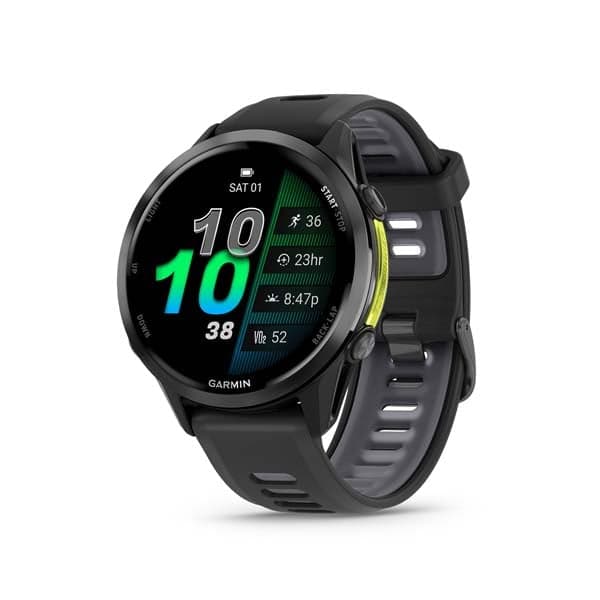
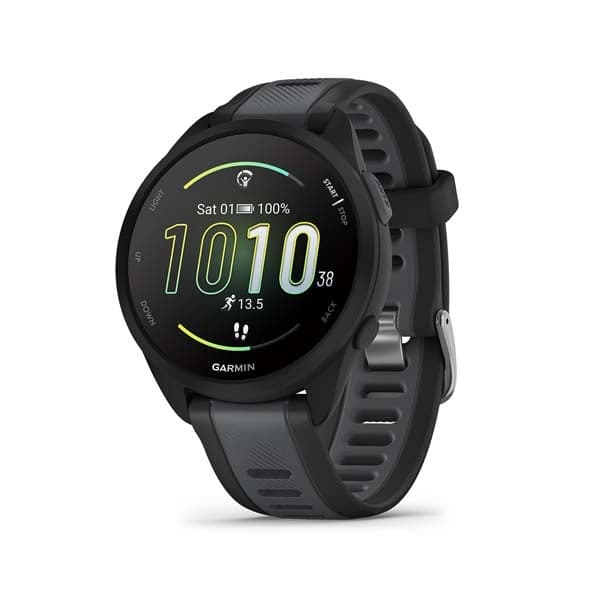
| A runner or endurance athlete | Garmin Forerunner 970 | Deepest training analytics; multi-day battery | ~S$1,029 |
| An outdoor maximalist | Garmin Fenix 8 | Weeks between charges; bombproof build | ~S$1,498 |
| An everyday iPhone user | Apple Watch Series 11 | Best smartwatch UX; health screening | From S$599 |
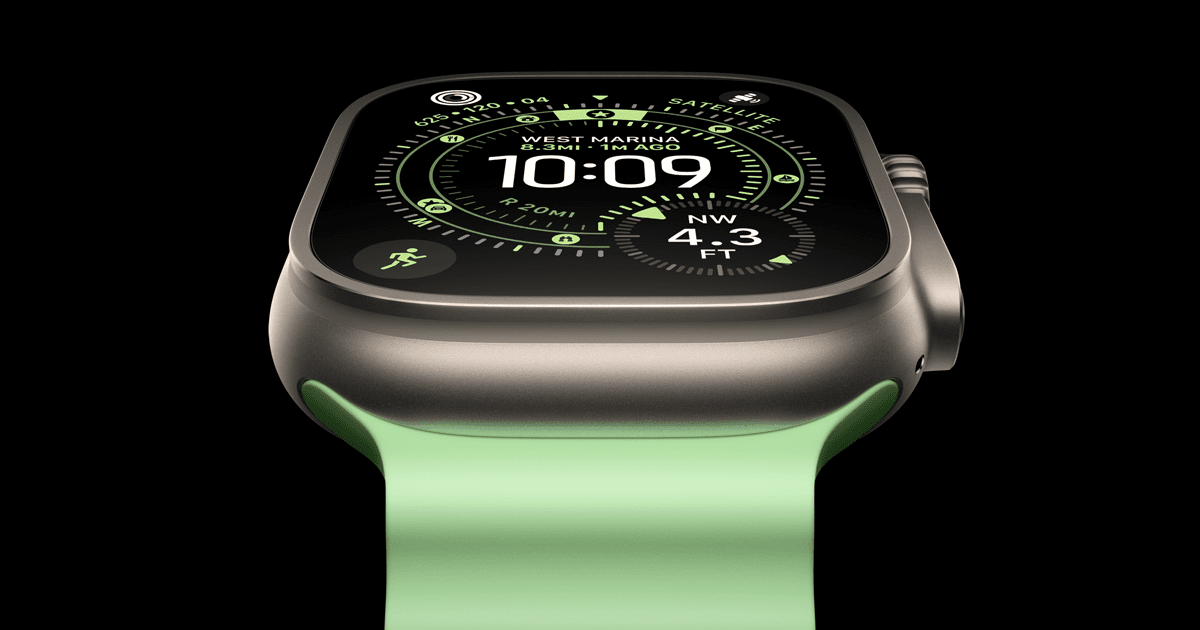
| Serious outdoor GPS on iPhone | Apple Watch Ultra 3 | Dual-frequency GPS; longest Apple battery | From S$1,199 |
| On Android | Garmin (any model) | Apple Watch will not pair | Varies |
- Buy
- Garmin Forerunner 970
- Standout
- Deepest training analytics; multi-day battery
- Indicative SGD
- ~S$1,029
- Buy
- Garmin Fenix 8
- Standout
- Weeks between charges; bombproof build
- Indicative SGD
- ~S$1,498
- Buy
- Apple Watch Series 11
- Standout
- Best smartwatch UX; health screening
- Indicative SGD
- From S$599
- Buy
- Apple Watch Ultra 3
- Standout
- Dual-frequency GPS; longest Apple battery
- Indicative SGD
- From S$1,199
- Buy
- Garmin (any model)
- Standout
- Apple Watch will not pair
- Indicative SGD
- Varies
Battery: days versus a day
This is the cleanest dividing line, and it is not close.
A Garmin Forerunner 970 is rated for up to 15 days in smartwatch mode and up to 21 hours in full multi-band GPS. The Fenix 8 goes further: per Garmin's own figures, the 47mm AMOLED is rated for around 16 days in smartwatch mode and up to 35 hours of all-systems multi-band GPS, while the 51mm Solar stretches to as much as 48 days of smartwatch use with solar. These are watches you charge while you shower and forget about.
The Apple side lives on a different clock. The Series 11 is rated for up to 24 hours of normal use, with a quick top-up adding roughly eight hours from about 15 minutes on the charger. The Ultra 3 is the endurance Apple, rated for up to 42 hours of normal use, 72 hours in Low Power Mode and around 14 hours of GPS workout tracking. In real-world testing, DC Rainmaker measured the Ultra 3 draining roughly 5-6% per hour during GPS workouts: strong for an Apple Watch, good for around 16-20 hours of continuous tracking, but still a fraction of what a Fenix gives you.
If "charge it once a week" is non-negotiable, this section ends the debate. Garmin wins it outright.
GPS and heart-rate accuracy: the gap that closed
Here is the genuinely new story in 2026. The Ultra 3 uses dual-frequency L1+L5 GPS: the most accurate GPS ever fitted to an Apple Watch, the same multi-band approach Garmin pairs with its SatIQ system on the Forerunner 970 and Fenix 8.
Reviewers who put them head to head agree the raw-tracking gap has shrunk to a hair. Tom's Guide ran the Ultra 3 against the Forerunner 970, and the5krunner in its Ultra 3 review scored the two within a couple of percentage points of each other on GPS accuracy, with the Garmin still a touch ahead. The5krunner does flag occasional heart-rate dropouts on the Apple that can skew training-load numbers, so the decision now turns on battery, training depth and ecosystem rather than the track line on a map. The Series 11 is the exception worth flagging: Apple has not published L1+L5 dual-frequency for the standard Series, so if you are buying Apple specifically for serious outdoor tracking, the Ultra 3 is the one that closes the gap, not the standard Series.
Two caveats apply to every wrist-based watch, Garmin and Apple alike. Optical heart-rate sensors still struggle with hard intervals and gym work, where rapid changes and wrist flexion throw the readings. For lifting and high-intensity intervals, a chest strap remains the honest answer on either platform.
Training and recovery data: where Garmin runs away
If accuracy is now nearly a tie, this is where the two diverge hardest.
Garmin's recovery stack is deep and, more importantly, actionable. Body Battery, HRV Status, Training Readiness and suggested workouts are consistently rated more useful than Apple's, which leans on the Activity app and third-party tools for anything comparable. Garmin gives you exact training-load numbers, HRV-driven recovery and seasonal planning; it tells you, in plain terms, whether to push today or back off.
Apple lacks the detail that every other endurance sports-focused watch has.
DC Rainmaker, Apple Watch Ultra 3 in-depth review
That is DC Rainmaker's blunt verdict, and the specifics back it up: Apple shows only a percentage training-load change against a rolling four-week window, where Garmin shows the actual load figures and the readiness model behind them. For a casual exerciser, Apple's lighter touch is plenty: arguably friendlier. For anyone running structured training blocks or chasing a marathon, Garmin's data is in a different league.
A note on health, because it cuts the other way: none of this is medical advice, and recovery scores are estimates, not diagnoses. Apple has leaned hard into health screening: the Series 11 adds hypertension notifications and a sleep score, which is a genuinely useful everyday-wellness angle Garmin does not match in the same way. If a reading worries you, talk to a clinician rather than your wrist.
Ecosystem lock-in: which phone wins it
This is the quiet decider, and it is brutally simple.
The Apple Watch requires an iPhone running a current version of iOS. It does not work with Android. Full stop. Buy an Apple Watch on a Samsung or Pixel and you have bought an expensive paperweight.
Garmin is the diplomat. Every model here: Forerunner 970, Fenix 8: pairs with an iPhone or an Android phone. So if you are on Android, this entire comparison is already settled: you are getting a Garmin, and the good news is it is an excellent one.
Everyday smartwatch features
If you are an iPhone user, this is the column where Apple dominates and it is not subtle. Notifications, replies, calls, Apple Pay, an enormous app library and tight iMessage integration: Garmin handles the basics competently but feels a generation behind as a daily-driver smartwatch.
There is a comfort angle too. The Series 11 46mm weighs 37.8g in aluminium, with the 42mm around 30g: lighter than any flagship Garmin. Even the chunky Ultra 3 comes in around 61.6g, against 56g for the Forerunner 970. For all-day and overnight wear, Apple's smaller cases have an edge.
Price, and who each one is for
Singapore pricing as of mid-2026, drawn from Apple SG and Garmin listings: the Apple Watch Series 11 starts at S$599, the Ultra 3 from S$1,199, the Garmin Forerunner 970 lands around S$1,029, and the Fenix 8 47mm AMOLED about S$1,498. Note that the Series 11 undercuts everything here by a wide margin, and for a casual runner who lifts a few times a week, it does the job without the four-figure outlay. Prices move, so confirm the current figure before you buy.
Here is the honest split:
-
Buy Garmin if you are a runner or endurance athlete. Multi-day battery, the deepest training and recovery analytics on the market, and it works with any phone. The Forerunner 970 is the lighter, race-focused pick; the Fenix 8 is the maximalist choice if you also hike, dive or want weeks between charges and bombproof ruggedness.
-
Buy Apple if you are an everyday iPhone user. The Series 11 at S$599 is the best all-round smartwatch for messages, payments, health alerts and light fitness. Step up to the Ultra 3 only if you genuinely want serious outdoor GPS and longer battery in the Apple world, and can live with charging every day or two.
-
For lifters specifically: either platform works, because the watch is not your accuracy bottleneck: your optical wrist sensor is. Pick on phone and battery, then add a chest strap for the sessions that matter.
If running is the main thing you'll do with the watch, our GPS running watch guide widens the field to Coros and the budget picks worth a look before you commit. For everything else on the wrist, from rings to heart-rate straps, the fitness wearables hub gathers our buying advice in one place.
The watches stopped being rivals a while ago. Match the watch to your phone and your training, and there is no wrong answer here, only the wrong watch for you.
FAQ
Garmin or Apple Watch for Singapore runners?
Garmin for battery and training depth. Apple for iPhone integration and everyday smart features. GPS gap narrowed on Ultra-class Apple models.
Which has better battery life?
Garmin wins decisively for multi-day and ultra use. Apple Series 11 improved daily wear but still trails Garmin on long GPS days.
Can Android users buy Apple Watch?
No meaningful experience. Android buyers should look at Garmin, Samsung or Pixel watches instead.
Do I need the Apple Watch Ultra 3?
Only if serious outdoor GPS and longer workout battery matter on iPhone. Standard Series 11 suffices for most daily users.
Where to buy with Singapore warranty?
Garmin brand stores and Apple authorised channels. Confirm current pricing and warranty region before grey imports.
Sources
- Apple: Apple Watch Ultra 3 launch
- Apple: Apple Watch Series 11 launch
- Apple: Apple Watch Ultra 3 specs
- Apple: Apple Watch Series 11 specs
- Apple Singapore: Apple Watch Ultra
- Apple Support: Apple Watch weights and dimensions
- Garmin: Forerunner 970
- DC Rainmaker: Apple Watch Ultra 3 review
- Tom's Guide: Apple Watch Ultra 3 vs Garmin Forerunner 970
- the5krunner: Apple Watch Ultra 3 review
- Gear Up To Fit: Apple Watch vs Garmin
Spot an error or have a product we should test? We read every note.
Get in touch
